



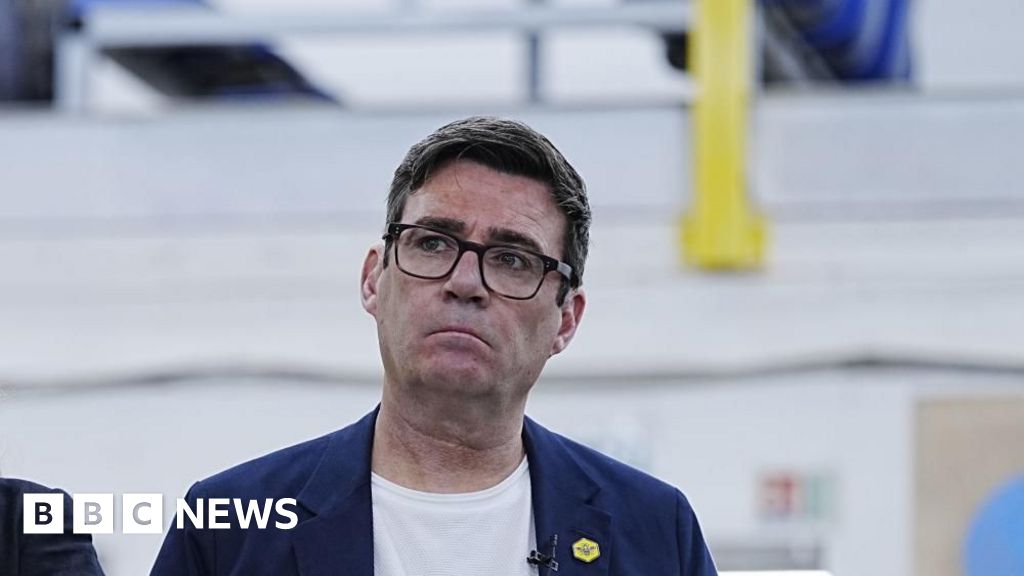
Andy Burnham’s Candidacy Blocked: A Strategic Gamble for Labour
In a surprising move that has sent ripples through the Labour Party, Andy Burnham, the directly elected mayor of Greater Manchester, has found himself sidelined as a candidate for the upcoming parliamentary by-election in Gorton and Denton. This decision, made by Labour’s national executive committee (NEC), not only raises eyebrows but also reflects deeper tensions within the party.
The Decision and Its Implications
Burnham’s disappointment is palpable, as he was blocked from standing after applying for the candidacy just days ago. The official reasoning provided by Labour revolves around the desire to avoid a costly mayoral election, which could drain taxpayer resources. However, this rationale feels somewhat hollow when considering the political stakes involved. Here are some key points to consider:
- Potential Leadership Challenge: Burnham is widely regarded as a potential challenger to Prime Minister Sir Keir Starmer, should he return to Westminster, making this decision a calculated risk by Starmer’s allies.
- Party Unity at Stake: The move has angered many Labour MPs who believe local members should have the right to choose their candidate, potentially fracturing party unity.
- Public Perception: By denying Burnham the chance to run, the Labour leadership risks alienating a significant faction of party members who view this as a power play.
Burnham’s Response and the Party’s Stance
Burnham expressed his concerns on social media, highlighting that the ruling’s announcement came to the media before he was informed, which he deemed indicative of the party’s current management style. His commitment to focusing on his role as mayor is commendable, yet the underlying tensions remain unresolved. Key takeaways from his reaction include:
- Focus on Local Issues: Burnham emphasized the importance of unity against divisive politics, showcasing his dedication to serving the people of Greater Manchester.
- Critique of Decision-Making: His criticism of the way the NEC’s ruling was communicated reflects broader frustrations within the party regarding transparency and internal communication.
Strategic Calculations Behind the NEC’s Decision
The NEC’s decision was not made lightly. The vote to block Burnham was reportedly 8-1, with significant concerns raised about the financial implications of holding a mayoral election. Some points worth noting include:
- Cost Concerns: The estimated cost of a mayoral election is around £4.7 million, a substantial sum during a cost-of-living crisis.
- Focus on Upcoming Elections: The NEC believes that resources should be prioritized for local elections and elections to the Scottish Parliament and Welsh Senedd in May, rather than a potentially divisive by-election.
- Political Landscape: Labour’s allies are concerned about the rising popularity of Reform UK, fearing that the party could be outspent significantly in a by-election campaign.
Reactions from Within Labour
The decision has drawn mixed reactions from Labour MPs:
- Fury from Allies: Some, like John McDonnell, have expressed outrage, labeling the move as “weakness and cowardice,” and suggesting it could backfire on Starmer.
- Support for the Decision: Others, like John Slinger, welcomed the swift ruling, indicating a desire to move past internal conflicts and focus on the broader electoral strategy.
Looking Ahead
As Labour prepares to select another candidate for Gorton and Denton, the party’s internal dynamics will be crucial. With Burnham’s aspirations for a potential leadership bid still in the air, the ramifications of this decision extend beyond a single by-election. The party must navigate these turbulent waters carefully to maintain unity and appeal to voters facing increasing political fragmentation.
For those seeking a deeper understanding of this unfolding situation, I encourage you to read the original news article for additional insights. You can find it here.