



UK Inflation and Cost of Living: A Comprehensive Analysis
The latest figures reveal that the UK is experiencing a rise in inflation, prompting the Chancellor to assert that we are poised to turn a corner in economic recovery. However, I perceive this narrative with a critical lens, especially considering the palpable struggles faced by many households across the nation.
Government’s Response to Inflation
Rachel Reeves has underscored her commitment to addressing the cost of living crisis, aligning with Prime Minister Sir Keir Starmer’s assertion that every moment spent not discussing this issue is a wasted one. This strategy appears particularly calculated as we approach local, Scottish, and Welsh elections in May.
- The rising inflation rate poses a significant concern for households.
- Government’s focus appears to be driven by electoral motivations.
- Many families remain skeptical about actual improvements in their financial situations.
Energy Prices: A Flicker of Hope?
As winter envelops the UK, the spotlight is on household energy bills. The Chancellor’s announcement of a £150 cut is a step in the right direction, but the delivery of this promise is fraught with complexities.
- The reduction involves shifting some green policy costs from bills to general taxation.
- Investment in energy infrastructure may counteract some savings on bills.
- The anticipated drop in energy costs, as projected by Cornwall Insight, could provide some relief, but long-term strategies are essential for sustainable improvement.
Additionally, Labour’s pledge to reduce household energy bills by £300 by 2030 is under scrutiny. While current measures may offer temporary relief, they do not address the root causes of high energy prices.
The Food Price Crunch
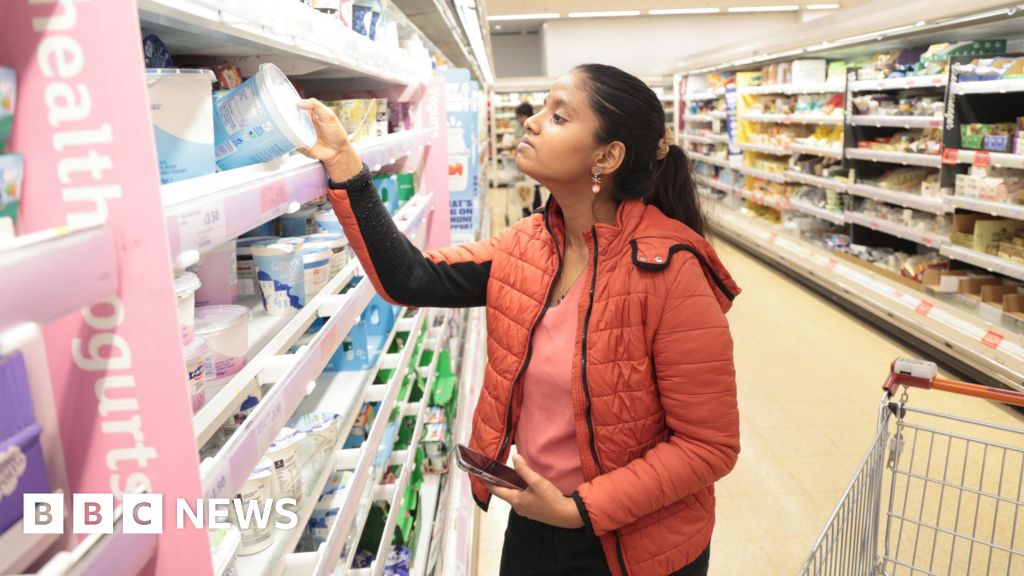
Food prices are a persistent concern, especially for lower-income households that allocate a larger portion of their income to essentials. Many individuals cite their grocery bills as a major indicator of the cost of living.
- The effect of business rates on High Street retailers is a key factor to monitor.
- Despite optimism from major retailers, consumer sentiment remains mixed.
- Supermarkets are engaged in fierce competition, yet external factors such as weather and harvest conditions heavily influence prices.
With food price inflation showing signs of a resurgence, it remains clear that the cost of basic necessities is still a pressing issue for many families.
Transport Costs: A Stalemate or Progress?
In a notable development, the government has frozen rail fares for the first time in three decades, which could alleviate some travel costs for commuters. Additionally, the £3 cap on bus fares has been extended, although its voluntary nature raises questions about widespread implementation.
- The freeze applies to various ticket types until March 2027.
- While this move is commendable, it does not entirely resolve the underlying issues of transport affordability.
Housing Market Dynamics
Mortgage rates are on a decline, which may provide some relief to homeowners. However, the rental market continues to experience upward pressure, particularly affecting younger workers.
- Government claims of economic stability may not fully reflect the reality of housing affordability.
- New protections for tenants under the Renters Rights Act may offer some respite but could have unintended consequences for landlords.
Taxation and Benefits: A Double-Edged Sword
The realm of taxes and benefits remains complex and contentious, with the government highlighting the end of the two-child benefit cap as a positive move for large, low-income families. However, the extension of tax threshold freezes means more individuals will bear a heavier tax burden.
- Critics argue that the current fiscal policies will exacerbate living standards.
- Forecasts predict minimal growth in disposable income over the coming years, raising concerns about long-term financial stability for households.
As we navigate these challenging economic waters, it is imperative for all stakeholders, including the government, to adopt a holistic approach that prioritizes sustainable growth and equitable support for those most affected by rising costs.
For a more detailed account of these developments, I encourage you to read the original news article.