



Exploring the Enigmatic Karst Region: A Journey Through Slovenia and Italy
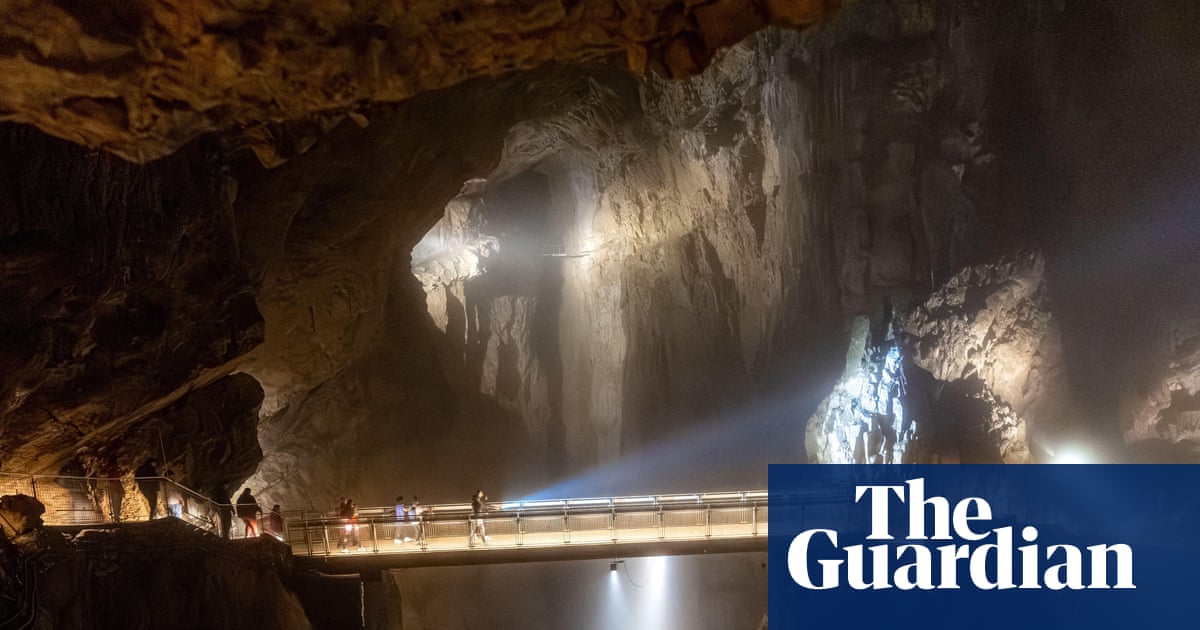
As I ventured into the depths of Vilenica, a cave steeped in history and mystery, the darkness enveloped me, only to be pierced by the flick of a switch. The cave, revered as the first tourist destination of its kind since 1633, unveiled a breathtaking world sculpted by nature’s hand. The grand antechamber, adorned with vibrant stalagmites and stalactites, glimmered under the light, showcasing hues of red and orange, a testament to the minerals embedded within the limestone.
Nature’s Masterpiece: The Karst Landscape
The Karst region, spanning western Slovenia and eastern Italy, is a geological wonder. Its porous limestone creates a unique above-ground landscape, characterized by:
- Striated rocks
- Dolines, or depressions formed by the collapse of limestone
Below the surface lies an intricate network of caves, sinkholes, and subterranean rivers. My visit to the Škocjan cave revealed an underground river cascading through a chamber nearly 150 meters high, an experience that felt almost otherworldly.
A Shared Cultural Heritage
As we traveled through the undulating hills, the rich tapestry of bilingual villages unfolded before my eyes. This region, marked by its shifting borders throughout the 20th century, is now embracing a unified identity that bridges Italy and Slovenia. The establishment of the EU-funded GeoKarst geopark aims to highlight this shared history and is seeking UNESCO designation to protect and promote the area.
Štanjel: A Medieval Gem
The highlight of my journey was Štanjel, a medieval village that offers an authentic glimpse into the past without the throngs of tourists. Its cobbled streets and flint-grey buildings, constructed from local Karst stone, transport visitors back in time. As I relaxed at Bistro Grad, sipping local vitovska wine, the stunning sunset over the valley provided a perfect backdrop for reflection.
Trieste: A Cultural Mosaic
Crossing into Italy, the vibrant city of Trieste welcomed us with its unique blend of Italian and Viennese influences. This city, once the sole port of the Austro-Hungarian Empire, boasts a culture that embraces openness and tolerance. Here, enjoying a coffee or wine alone is a norm, contrasting sharply with traditional Italian dining customs.
Locals’ fondness for Trieste lies not only in its cafe culture but also in its proximity to nature. A short drive leads to the Via Napoleonica, a scenic route providing breathtaking views of the bay and connecting charming towns like Opicina and Prosecco, the birthplace of the famous sparkling wine.
Gastronomic Delights and the Spirit of Community
Food lovers will find the Karst region a paradise, with most ingredients sourced from local farmers. A visit to an osmice, a family-run farm, offers a delightful culinary experience. At Cantina Parovel, the family serves homemade delicacies, showcasing their strong ties to the land and its history, with roots tracing back to the Austro-Hungarian Empire.
The unique hiking trails, such as the one through Rosandra valley, are adorned with sights of wild cherry trees and roe deer. Along the way, you might encounter improvised “wine caves,” adding a touch of local charm to your journey.
Ultimately, this exploration of the Karst region is not just about its breathtaking landscapes; it reflects the communal spirit and rich heritage that define this captivating area.
This journey was facilitated by Promo Turismo FVG and Visit Kras in Slovenia. Accommodation options include doubles at Savoia Excelsior Palace in Trieste starting from £153 and at Hotel Maestoso in Lipica from £122.
For more in-depth coverage of this intriguing region, read the original news article here.