



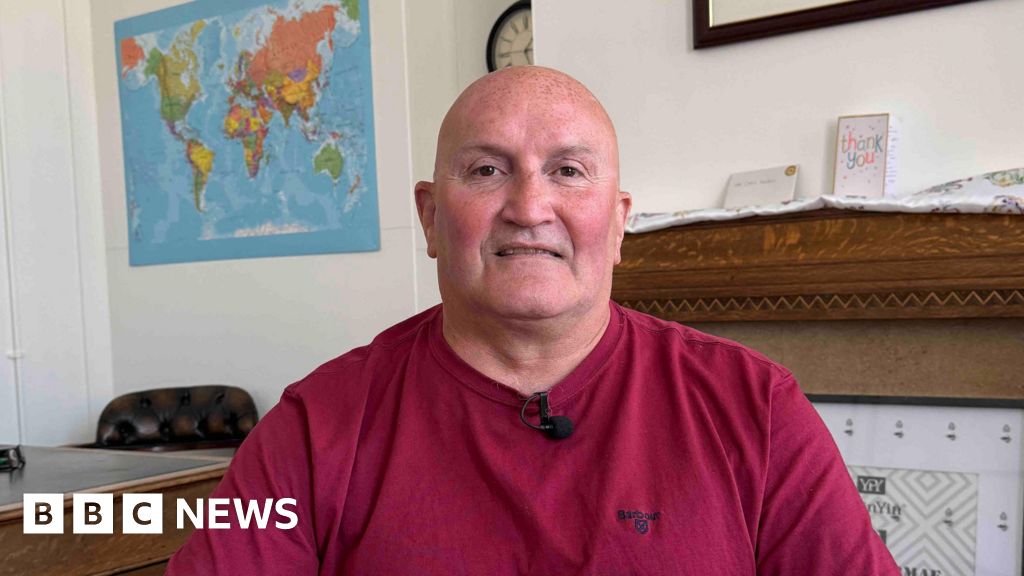
Leadership Shake-Up in Warwickshire Council
The political landscape in Warwickshire has experienced a significant upheaval following the recent vote of no confidence against Labour leader Chris Watkins. This development not only sheds light on the internal dynamics within the Labour Party but also raises questions about the future of local governance in the region.
The Ouster of Chris Watkins
Watkins argued against the prudent use of resources, suggesting that funds should be redirected to prepare for the impending abolition of Warwickshire’s councils, which are set to transition to a single-tier authority by 2028. His stance, while seemingly strategic, did not resonate with the council members, leading to his ousting.
- Watkins faced a vote of no confidence on Wednesday evening.
- His argument centered around resource allocation in the context of upcoming council changes.
The Rise of Steve Hey
In an interesting turn of events, Steve Hey, Watkins’ deputy, was swiftly installed as the new leader of the council. Despite losing their leader, Labour managed to retain control, indicating a resilient party structure.
- Hey was voted in after a two-and-a-half hour council meeting.
- He received support from the two Green Party councillors, enhancing his position against Conservative challenger Kris Wilson.
Hey’s Promises and Challenges Ahead
Upon assuming leadership, Hey made it clear that he is in favor of proceeding with local elections as scheduled. His bold declaration to the BBC, affirming that elections in Nuneaton and Bedworth should “bring it on,” reflects a confident stance amidst the political turbulence.
- Hey’s leadership is supported by a coalition with the Green Party.
- He faces accusations from opposition leader George Finch of Labour “running scared” ahead of elections.
- Hey’s confident rebuttal indicates his readiness to confront the challenges ahead.
Political Landscape and Implications
The upcoming local elections are set against a backdrop of national political sentiment, which complicates the landscape for local parties. Hey acknowledged the difficulties of running local elections on national lines, suggesting that Labour’s strategy may need to adapt to the broader political climate.
- Labour’s leadership change signals potential shifts in strategy as they head into elections.
- Opposition claims of Labour’s fear could impact voter perception.
This leadership change in Warwickshire is a moment of reflection for Labour, as they must navigate not only the local issues but also the national currents that could sway voter sentiment. The resilience shown by the party, however, suggests that they are preparing to face the challenges head-on.
For those interested in a deeper understanding of these developments, I encourage you to read the original news article here.