



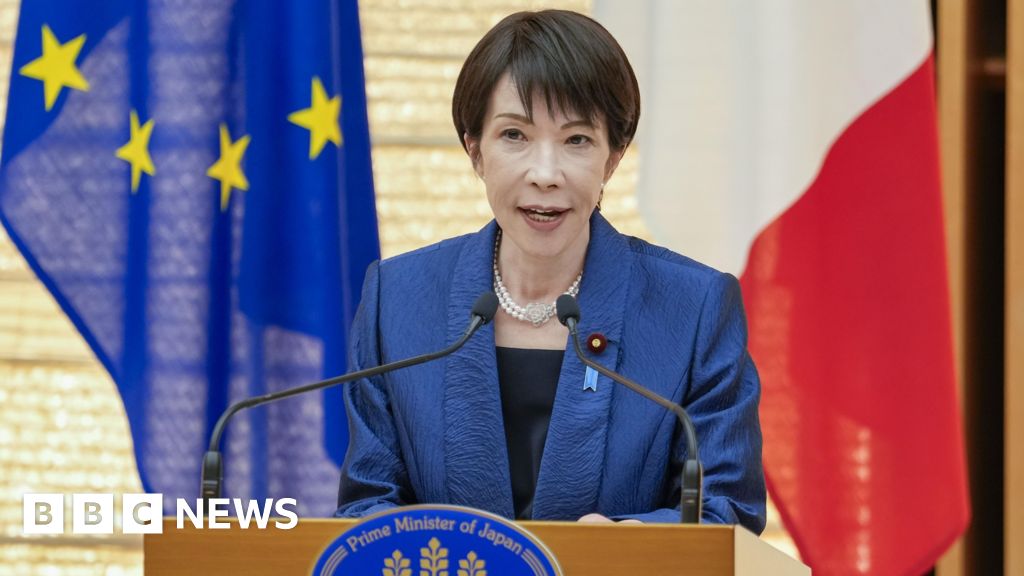
Japan’s Political Landscape: A Gamble for Takaichi
In a significant move, Japan’s Prime Minister Sanae Takaichi has announced the dissolution of parliament, setting the stage for an early election on February 8. This decision, described by Takaichi as an “extremely weighty” one, could reshape the trajectory of Japan’s governance as it seeks to align closely with the will of the people.
The Political Context
Takaichi, the first woman to lead Japan, has enjoyed a surge in public support since her appointment in October. However, the journey ahead is fraught with challenges:
- Public Sentiment: While her personal approval ratings soar between 60-80%, her party, the Liberal Democratic Party (LDP), struggles with broader unpopularity.
- Electoral Risks: This marks Japan’s second general election within two years, and Takaichi’s administration must contend with economic concerns, particularly rising living costs.
- Coalition Stability: The LDP currently holds 199 seats in the House of Representatives, relying on a fragile coalition for governing power.
A Leader’s Ambition
Since assuming office, Takaichi has expressed a pressing need to secure a public mandate, emphasizing her desire for voters to assess her leadership directly. She stated:
“Is Sanae Takaichi fit to be prime minister? I wanted to ask the sovereign people to decide.”
Her administration has already introduced ambitious economic policies, including a record defense budget in response to regional security threats, particularly from China. The implications of such policies will undoubtedly play a pivotal role in the upcoming election.
The Challenges Ahead
While Takaichi’s approval ratings are beneficial, several challenges loom on the horizon:
- Historical Precedents: Recent history is not kind to leaders who call snap elections. Takaichi is the fourth prime minister in five years, a tenure marred by instability and scandal.
- Opposition Consolidation: The emergence of a new opposition alliance, the Centrist Reform Alliance, poses a fresh threat to the LDP’s dominance, potentially siphoning off crucial votes.
- Public Trust: Takaichi must convince voters that she can deliver on her promises, especially as her popularity may wane over time.
Concluding Thoughts
Takaichi’s gamble to dissolve parliament and call for early elections underscores her ambition to solidify her position and enact her economic vision. However, it is a double-edged sword, as the risks associated with such a decision could backfire. Ultimately, the upcoming election will serve as a critical test not only for Takaichi but for the broader political dynamics in Japan. Will she be able to maintain her current popularity and translate it into electoral success?
For those interested in a deeper dive into this unfolding political story, I encourage you to read the original news article here.