



Trump’s Tariff Threat: A Misguided Move That Could Strain Alliances
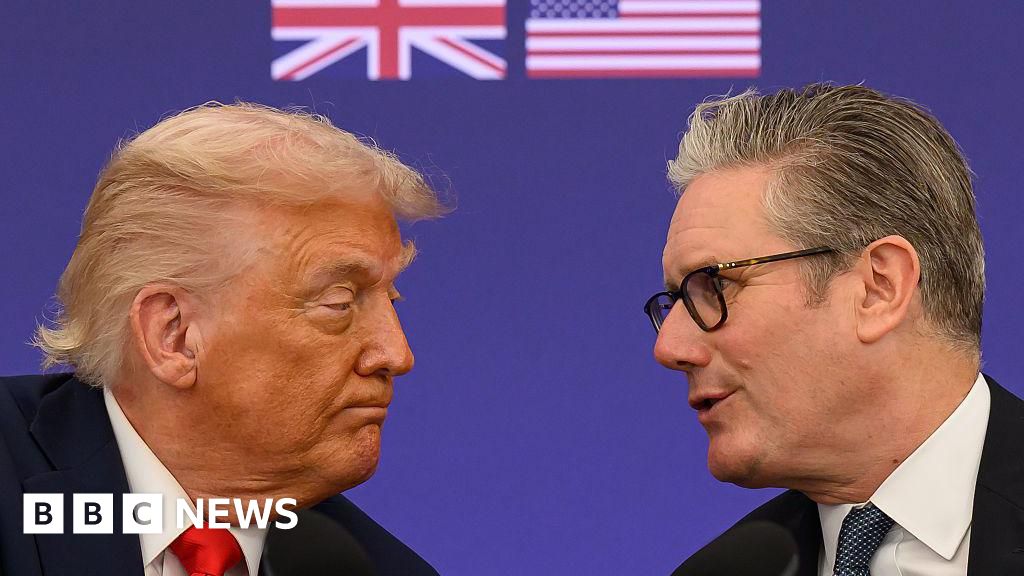
In an unexpected development, Prime Minister Sir Keir Starmer has publicly condemned President Donald Trump’s recent announcement regarding new tariffs on the UK and European allies. This move, which Trump claims is a bargaining chip related to Greenland, raises significant concerns about the implications for transatlantic relations.
Trump’s Tariff Proposal Explained
On Saturday, Trump declared his intention to impose a 10% tariff on all goods exported to the US from the UK and various European nations, escalating to 25% by June. This plan targets not just the UK but also Denmark, Norway, Sweden, France, Germany, the Netherlands, and Finland. The rationale behind this aggressive tariff strategy is tied to Trump’s ongoing efforts to acquire Greenland, a Danish territory of strategic interest.
Starmer’s Response: A Call for Diplomacy
Sir Keir Starmer has responded firmly, asserting that Trump’s approach is “completely wrong.” His position underscores the UK’s commitment to maintaining its sovereignty and the integrity of international agreements:
- Direct Engagement: Starmer indicated that the UK would pursue discussions directly with the White House.
- Denmark’s Sovereignty: The UK has joined European allies in defending Denmark’s ownership of Greenland, emphasizing that the territory’s future should be determined by its people.
- NATO’s Role: Sir Keir highlighted the importance of collective security in the Arctic, suggesting that NATO allies need to enhance their cooperative efforts against potential threats.
This public rebuke marks a notable moment in the US-UK “special relationship.” While Starmer has historically maintained a cordial rapport with Trump, this situation presents a critical test of diplomatic balance and mutual respect.
Wider Political Reactions
The reaction to Trump’s tariff threat has been overwhelmingly negative across the UK political spectrum:
- Kemi Badenoch, Conservative leader, labeled the tariffs a “terrible idea” that would burden British businesses.
- Sir Ed Davey, leader of the Liberal Democrats, criticized Starmer’s US policy as being in disarray, highlighting the punitive nature of Trump’s actions.
- Nigel Farage, a historically pro-Trump figure, expressed his disapproval, stating that these tariffs will adversely affect the UK.
- Ellie Chowns, Green Party parliamentary leader, condemned Trump’s behavior as childish and overly aggressive.
The Greenland Gambit: National Security or Brash Posturing?
Trump’s fixation on Greenland has roots in his belief that the island’s strategic location is crucial for US national security. His administration has argued that Greenland could serve as a key military asset, especially given its proximity to various geopolitical hotspots. However, this viewpoint is met with skepticism:
- Military Presence: The US already has a small military presence in Greenland, with more than 100 personnel stationed there.
- Natural Resources: The growing interest in Greenland’s natural resources, fueled by climate change, complicates the narrative further, raising ethical questions about exploitation.
- Local Sentiment: Greenland’s leadership has firmly stated that the territory is not for sale, reflecting a desire for autonomy and self-determination.
Trump’s rhetoric, which has included threats of military action, appears to disregard the sovereignty of both Greenland and Denmark. This approach raises alarms about the potential for escalating tensions in the Arctic region.
Implications for Trade and Economy
The proposed tariffs are not merely a political maneuver; they have tangible economic consequences. The British Chamber of Commerce has warned that these tariffs would be detrimental to UK exporters, who are already grappling with existing trade challenges. The emphasis should be on reducing, rather than increasing, trade barriers to foster economic growth.
As we observe these developments, it’s clear that the situation is fluid and requires careful navigation to prevent further strain on international relations. The outcome of these discussions will have lasting implications for the US, UK, and their European allies.
For further details, I encourage you to read the original news article here.