



The Untold Story of Marisa Fox’s Mother: A Journey Through Truth and Trauma
In a gripping tale that intertwines personal history with the broader horrors of war, journalist Marisa Fox embarks on a quest to uncover the hidden truths of her mother’s past. This exploration not only sheds light on her mother’s radical youth during World War II but also examines the complex layers of identity, secrecy, and survival.
A Tale of Two Histories
As a child, Fox was enchanted and terrified by the dramatic stories her mother shared about her past. These narratives were filled with heroism and survival, yet they often seemed to contradict the timeline Fox understood. Here are some key points from her mother’s narrative:
- Her mother claimed to have been a teenage spy and saboteur during the war.
- She recounted being sent to Palestine, away from the horrors of Nazi occupation.
- Despite her mother’s tales of bravery, Fox began to question the veracity of these stories as inconsistencies became apparent.
Fox’s mother, who passed away in 1993, left behind a legacy of confusion and unanswered questions. It wasn’t until a conversation with an elderly relative in 2010 that Fox received a critical piece of information: “Your mother had a hidden identity.” This revelation set her on a 15-year journey of discovery.
Unveiling the Truth
The documentary titled My Underground Mother, which Fox directed and wrote, is a culmination of her relentless pursuit of her mother’s true history. Through extensive research, she uncovered startling truths:
- Her mother had fabricated significant details about her identity, including her real name and true age.
- Contrary to her claims of living in Palestine, she spent the war in Poland, enduring the same traumas as many others.
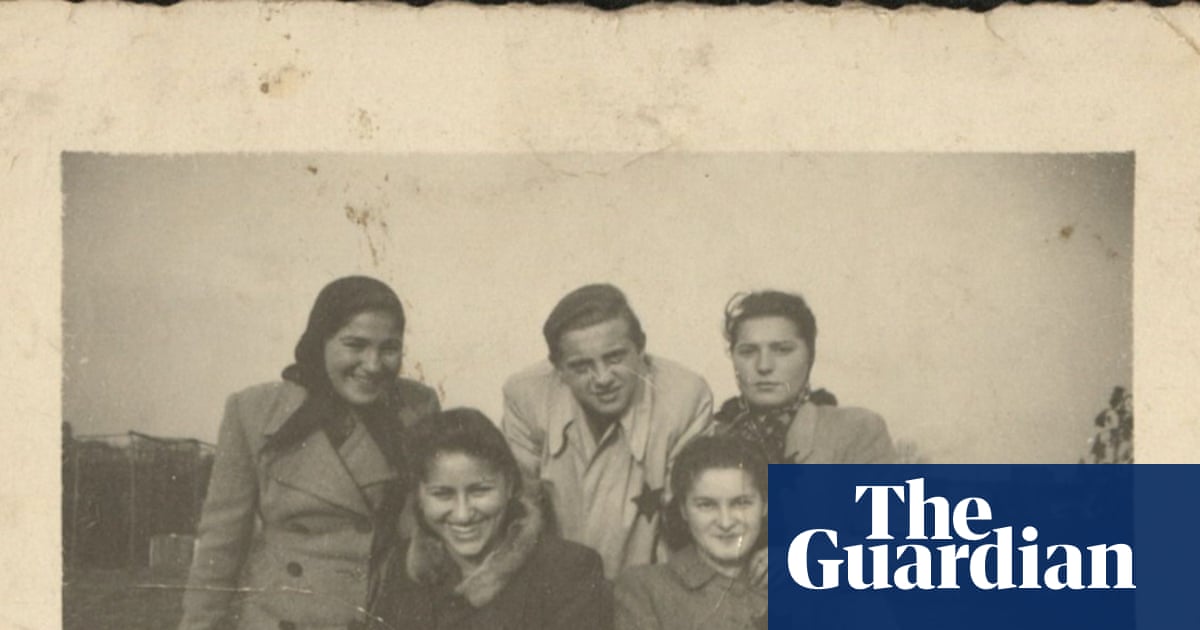
- Fox’s mother was a young girl in a forced labor camp, Gabersdorf, where she witnessed and experienced atrocities that would shape her life forever.
The documentary features poignant testimonies from women who were also imprisoned at Gabersdorf, revealing the harrowing conditions they faced and the complexities of their relationships during that time.
The Psychological Impact of War
Fox reflects on her mother’s protective instincts as she entered adolescence, suggesting that her mother’s traumatic past influenced her behavior. This protective nature may have stemmed from the fear of exposing her daughter to the same vulnerabilities she had faced during her youth. Fox articulates this tension:
- Her mother’s relationship with her became strained as Fox grew older.
- There was a palpable fear of male attention, which her mother attempted to shield her from.
Through the lens of her mother’s life, Fox illustrates how trauma can reverberate through generations, shaping identities and relationships.
Witnesses to History
Fox’s efforts to document her mother’s story involve not just archival research but also emotional connections with survivors. The women she interviewed faced significant challenges in recounting their experiences:
- Many were hesitant to share, fearing judgment or misunderstanding.
- Trust had to be built, as some expressed loyalty to Fox’s mother despite her deceptions.
Ultimately, these women’s testimonies serve as vital pieces of history, painting a vivid picture of the realities faced by young girls during the war. One poignant aspect of the film is the journal written by the girls at Gabersdorf, capturing their hopes and fears amidst unimaginable circumstances.
The Collision of War and Womanhood
Fox explores the nuances of young women’s experiences during the war, including complex relationships with British POWs that could be seen as both acts of agency and survival. Yet, as the war escalated, these interactions took a darker turn, with the threat of sexual violence looming large.
Fox’s candid examination of these themes challenges viewers to confront uncomfortable truths about the nature of survival and the moral complexities of human relationships under extreme duress.
Legacy of Shame and Silence
Fox grapples with the shame that her mother carried throughout her life, which manifested in her refusal to discuss her traumatic past or her cancer diagnosis. This secrecy raises poignant questions about the burden of history and the stigma attached to survival:
- Why do survivors often feel compelled to conceal their stories?
- How does societal perception influence personal narratives of trauma?
Fox’s conclusion resonates deeply: “Shame needs to change sides. The shame doesn’t belong to the women. It belongs to the men who did this to them.” Her film is not only a personal odyssey but also a broader commentary on the need for understanding and compassion for survivors of war.
A Call to Reflect
Marisa Fox’s journey to uncover her mother’s hidden past is a powerful reminder of the complexities of identity, memory, and the legacy of trauma. As we reflect on these narratives, we are compelled to consider how they shape our understanding of history and humanity.
For those interested in delving deeper into this compelling story, I encourage you to read the original news article here.