



Iran’s Judiciary and the Protests: A Disturbing Narrative
Unraveling the Recent Developments
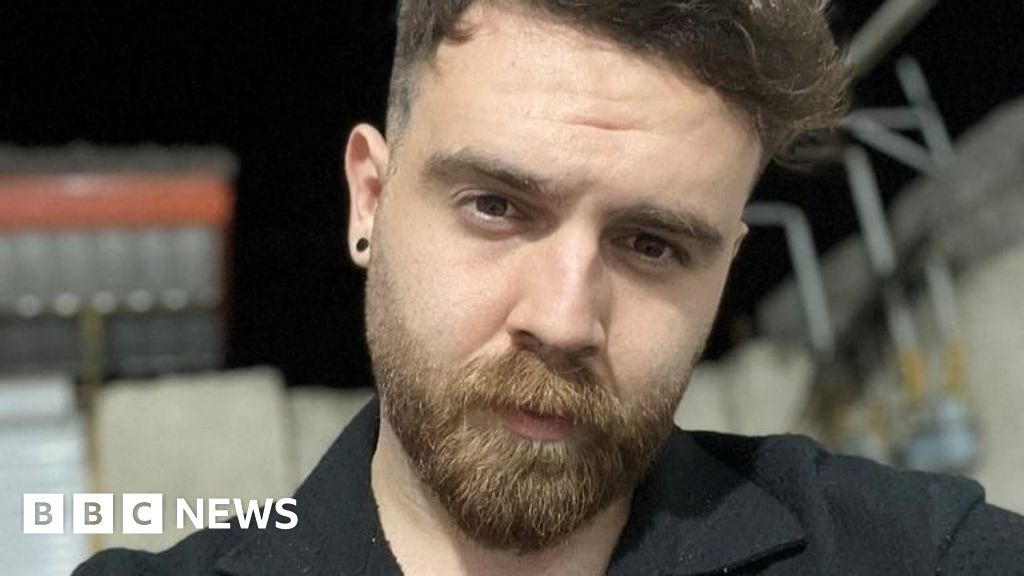
Recent news from Iran has stirred significant concern regarding the treatment of protesters following the ongoing civil unrest. The Iranian judiciary has made headlines by denying that it has scheduled the execution of Erfan Soltani, a 26-year-old man arrested amid these protests. This situation raises critical questions about human rights and the justice system in Iran.
The Allegations Against Erfan Soltani
According to the Norway-based Kurdish human rights organization Hengaw, Soltani’s family was informed that he faced imminent execution. However, the judiciary refutes these claims, labeling them as “blatant acts of news fabrication.” Here are the key points surrounding his case:
- Soltani was reportedly arrested for “colluding against national security” and “propaganda activities,” charges that do not warrant the death penalty.
- His family claims he has been denied access to legal representation, raising serious concerns about due process.
- The judiciary insists that he was apprehended during “riots,” a term that has been used to justify severe crackdowns on dissent.
Government Reactions and International Implications
The Iranian government, including Foreign Minister Abbas Araghchi, has stated that there is “no plan” for executions, coinciding with President Donald Trump’s warning of “very strong action” if protesters were executed. This creates a complex interplay of domestic and international politics. Consider the following:
- Trump’s comments reflect a heightened focus on human rights and civil liberties in Iran, which could influence U.S.-Iran relations.
- The Iranian leadership’s dismissive attitude towards external reports highlights an attempt to control the narrative domestically and internationally.
- Such assertions come amidst claims that the killings of protesters are supposedly decreasing, which is difficult to verify given the restrictions on reporting within the country.
The Broader Context of the Protests
The protests that have engulfed Iran stem from widespread dissatisfaction with the government, particularly regarding economic hardships. Key factors include:
- Rising costs of living and a depreciating currency have led shopkeepers in Tehran to strike, initiating a wave of unrest.
- Protesters have directed their anger towards the clerical establishment, openly calling for the removal of Supreme Leader Ayatollah Ali Khamenei.
- The government’s violent response, including the use of deadly force and internet blackouts, has intensified the situation, resulting in significant casualties.
A Call for Attention
The numbers are staggering: over 2,435 protesters, including children, have reportedly lost their lives since the unrest began, alongside thousands of arrests. This alarming trend presents a dire need for international scrutiny and intervention. The implications of these events extend beyond Iran, affecting regional stability and global human rights standards.
For those who wish to delve deeper into this situation, I encourage you to read the original news article for more detailed insights on this pressing issue. You can access it here.