



UK’s Ambitious Offshore Wind Projects: A Double-Edged Sword
The recent announcement by the UK government to award contracts for a record amount of offshore wind capacity marks a significant milestone in the nation’s journey towards sustainable energy. However, this development comes with both optimism and skepticism, as the complexities of the energy market and the realities of implementation loom large.
Record Contracts for Offshore Wind
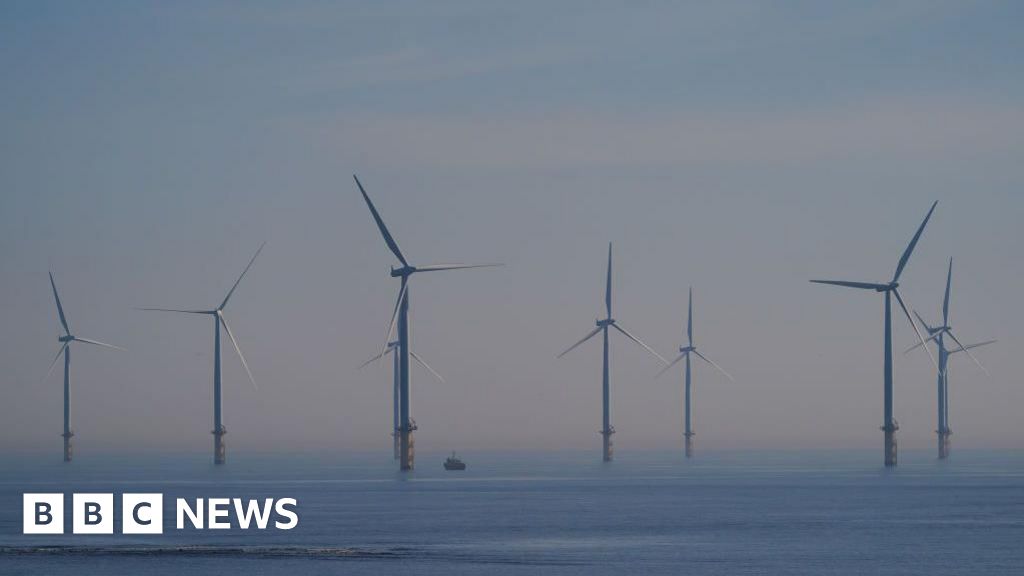
In a bold move, the UK has committed to building offshore wind projects across England, Scotland, and Wales, including what could potentially be the world’s largest offshore wind farm off the coast of Scotland. This initiative is part of a broader strategy to boost clean electricity in the UK.
- The projects aim to provide substantial clean energy, aligning with the government’s target of achieving at least 95% of Great Britain’s electricity from clean sources by 2030.
- They include major developments like the Berwick Bank project, which is on track to become a leading player in the global offshore wind market.
- Additional projects like the Dogger Bank South wind farm and the Norfolk Vanguard project indicate a comprehensive approach to harnessing wind energy.
Challenges Ahead
Despite the ambitious plans, several analysts express concerns about the government’s ability to meet its 2030 targets. The offshore wind sector has faced rising costs due to various factors, including global supply chain issues and inflationary pressures stemming from geopolitical tensions.
- The average fixed price for traditional offshore wind projects has climbed to nearly £91 per megawatt-hour, a noticeable increase from previous auctions.
- Critics argue that the awarded contracts risk locking in high prices for decades, potentially undermining the government’s promise to reduce energy bills.
- There are fears that the transition to offshore wind may not be swift enough to meet growing electricity demands, especially as the UK aims to boost its offshore wind capacity from 16.6GW to at least 43GW by 2030.
Debate Over Energy Prices
The government maintains that investing in offshore wind will ultimately lead to lower energy bills in the long run, contrasting sharply with the high costs associated with new gas power plants. However, opposition parties are quick to counter this narrative, pointing out that energy prices have risen under current policies.
- Energy Secretary Ed Miliband asserts that the transition to renewables is essential in stabilizing energy costs, especially in light of fluctuating gas prices.
- In contrast, shadow energy secretary Claire Coutinho argues that the government’s plans have failed to deliver on their promise to cut household bills.
- Concerns also arise about the impact of rising costs on consumers, alongside the potential need for grid upgrades to accommodate new projects.
The Road Ahead
As the UK forges ahead with its offshore wind strategy, the path is fraught with challenges. While the government’s commitment to renewable energy is commendable, the execution of these projects will be critical in determining their success. Key points to consider include:
- Ensuring that projects are completed on time and connected to the grid effectively.
- Mitigating rising costs to avoid burdening consumers with high energy bills.
- Addressing environmental concerns, particularly regarding the impact of large wind farms on local wildlife.
In conclusion, while the UK is making strides towards a cleaner energy future, the challenges of implementation and cost management will require careful navigation. It is essential for policymakers to strike a balance between ambitious targets and the economic realities facing consumers.
For more in-depth coverage, please read the original news article here.