



UK Government’s Digital ID U-Turn: An Analysis
In a significant policy shift, the UK government has decided to abandon its plans for a mandatory digital ID system for workers to verify their right to work in the UK. Instead, Labour ministers have announced that existing checks utilizing various documents, including biometric passports, will transition fully online by 2029. This latest reversal is emblematic of a series of U-turns that have recently characterized government policy.
The Political Backlash
The reaction from political leaders has been swift and critical. Conservative leader Kemi Badenoch has labeled the original digital ID proposal a “rubbish policy,” asserting that this latest change illustrates a lack of direction from Labour leader Sir Keir Starmer. During Prime Minister’s Questions, Badenoch expressed that the government’s retreat indicates Starmer’s inability to maintain a consistent policy stance.
Prime Minister Rishi Sunak countered these criticisms by highlighting the backdrop of policy reversals and ministerial instability under the previous Conservative administration. He reiterated his commitment to making it more difficult for individuals to work illegally in the UK, emphasizing the necessity of digital checks.
Rationale Behind the Reversal
Initially, the government defended the need for a mandatory digital ID system as a method to clamp down on illegal immigration and employment. However, it appears that the government is now shifting its narrative to emphasize the utility of digital IDs in enhancing access to public services. This pivot raises questions about the clarity of the government’s message and the efficacy of its communication strategy.
Key Points from the Developments
- The government plans to move existing checks online by 2029, using biometric passports and other documents.
- Polling revealed a drastic decline in public support for digital IDs after Starmer’s announcement, dropping from over 50% to below 30%.
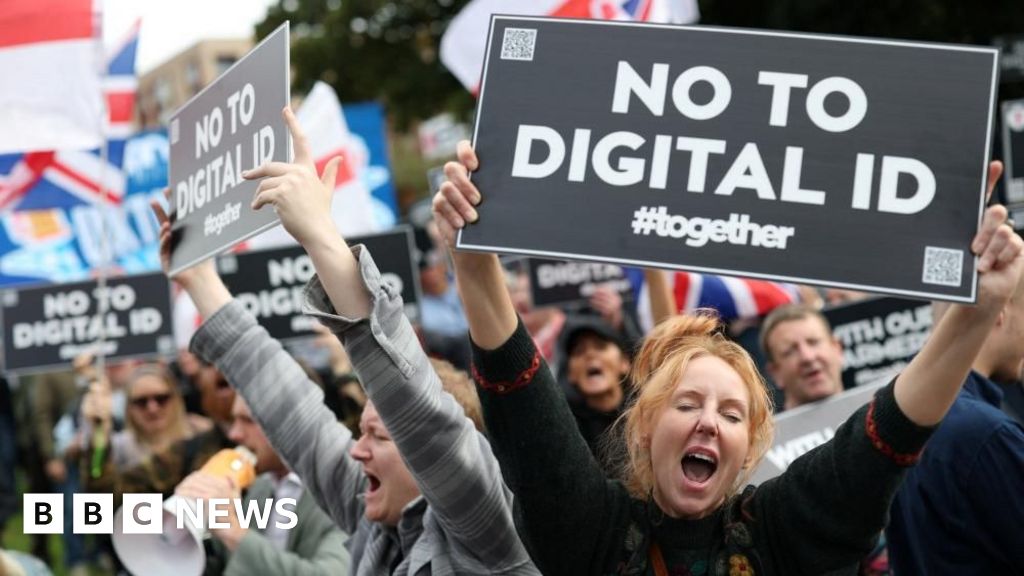
- Nearly three million signatures have been collected against the digital ID proposal, reflecting significant public opposition.
- Concerns remain among Labour MPs regarding the compulsory nature of the initial proposal and its implications for their constituents.
- Transport Secretary Heidi Alexander reiterated the government’s commitment to digital checks, suggesting that they would aid in combating illegal employment.
Public and Political Reactions
Reactions to the government’s U-turn span the political spectrum:
- The Liberal Democrats condemned the digital ID scheme as “doomed to failure” and suggested reallocating funds to essential services like the NHS.
- Reform UK leader Nigel Farage celebrated the decision as a victory for individual liberty, calling for the complete scrapping of the digital ID initiative.
- Green Party leader Zack Polanski expressed satisfaction over the U-turn, viewing it as a positive development.
The Path Forward
While the government maintains that it is committed to a digital system for verifying the right to work, the exact mechanics of how this will unfold remain vague. Currently, systems like Gov.uk One Login and the forthcoming Gov.uk Wallet are expected to play a key role in the digital ID framework. The digital IDs are anticipated to contain essential information such as name, date of birth, nationality, and a digital photo.
Conclusion
The government’s decision to abandon the mandatory digital ID proposal reflects broader trends of instability and uncertainty in current policy-making. As public sentiment continues to sway, it remains to be seen how the government will navigate future challenges in addressing immigration and employment verification.
For more in-depth coverage, please read the original news article here.