



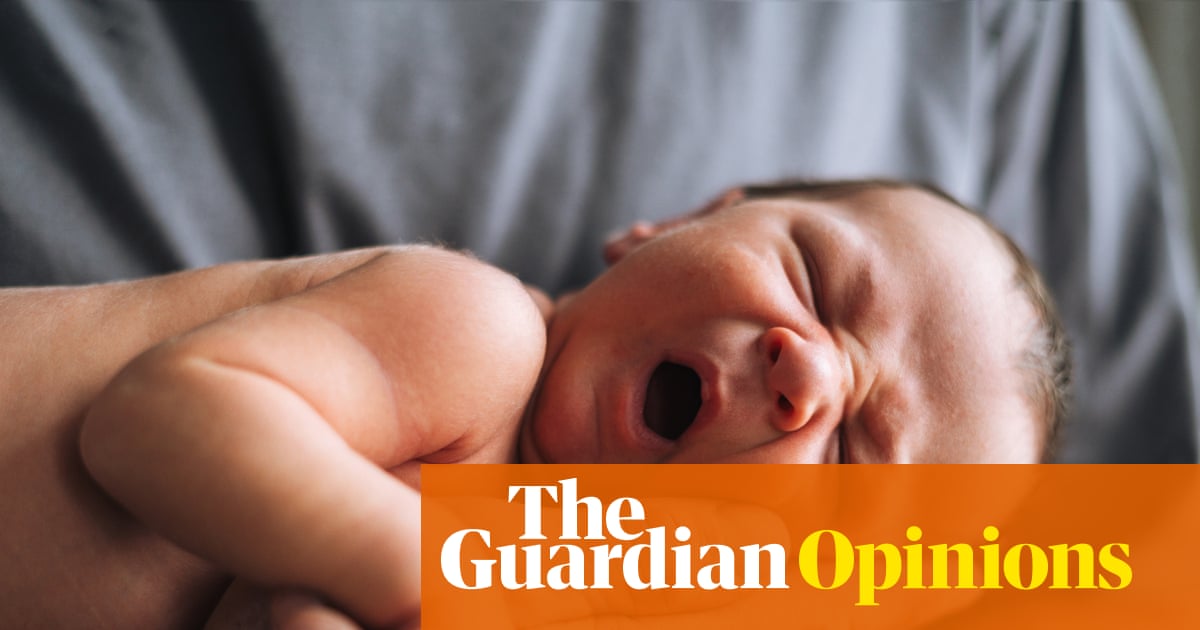
Reflections on Parental Leave: A Personal Journey
When I announced my decision to take over eight months of parental leave, I was met with a range of reactions. People often asked, “What are you going to do with all that time?” and “Won’t you get bored?” Surprisingly, these queries came even from health professionals involved in my wife’s pregnancy and the arrival of our second child.
The Value of Parental Leave
As I navigate through my leave, I’ve been contemplating what effective parental leave truly entails. It should provide families the necessary time to adapt to new dynamics in their lives. Thanks to a progressive policy at my workplace, I am afforded six months of paid parental leave, in addition to my annual leave. This means I will return to work when our son is eight months old—quite a contrast to my experience with our first child, where I could only take three weeks off.
Understanding the Landscape of Paternity Leave
Currently, three in five fathers in the UK do take some form of paternity leave. However, many are deterred by financial concerns, which hinder them from enjoying this crucial time with their newborns. The complexities of shared parental leave often add to the confusion, making it a less appealing option for many families. In our case, we explored this option with our first child but ultimately decided against it due to potential financial disadvantages.
Emotional Turmoil and Overwhelm
The lead-up to a child’s birth is often a whirlwind of emotions—joy intertwined with anxiety. Reflecting on our first experience, I recall feeling overwhelmed with work obligations, which blurred the lines of my personal time. I was racing against deadlines while my wife was in the hospital, juggling work responsibilities with the need to be present.
A Different Experience with Our Second Child
With our second child, my wife chose a caesarean section, a decision that allowed me to be fully present during her recovery. This time around, I could assist with the small yet significant tasks that contribute to recovery. Here are a few of the benefits I have witnessed:
- Being able to help with diaper changes and feeds.
- Providing support for medication schedules and mobility exercises.
- Sharing the experience of early parenthood without the rush to return to work.
Building Connections and Overcoming Challenges
As I spend more time with my children, I am reminded of how valuable this connection is. I recall taking our first child to playgroups, where he seemed apprehensive about my presence. Now, I actively engage in playtime, sharing joyful moments that strengthen our bond. Together, my wife and I can face the challenges of parenthood rather than merely hearing about them after work.
The Need for Improved Policies
There has been a positive shift toward better paternity leave policies, highlighted by recent government reviews. However, these changes still fall short for families in low-income or insecure jobs. Here’s what is needed:
- Enhanced financial security for parents to feel comfortable taking leave.
- Better protections for those in precarious employment situations.
- Awareness campaigns to emphasize the importance of paternity leave.
Challenging Societal Narratives
In a world saturated with social media, I often encounter troubling narratives that undermine the importance of shared parenting roles. Content suggesting that fathers taking an active role in childcare are somehow less masculine is not only misleading but harmful. During these challenging times, it’s crucial to focus on the real societal issues rather than falling prey to regressive ideologies.
Conclusion: Embracing Parenthood
In reflecting on those initial questions I faced, I can confidently say that while work can be tiring, the exhaustion from parenting is far more rewarding. Witnessing my child’s milestones firsthand is a privilege that transcends any workplace deadline. As my wife and I embark on this journey, singing songs to our baby, I realize: game on.
For further details, I encourage you to read the original news article at the source: The Guardian.