



US Emissions Rise Amid Cold Weather and Data Demands
The onset of a bitterly cold 2025 has led to a concerning trend in the United States: a rise in greenhouse gas emissions for the first time in three years. An analysis by the Rhodium Group highlights the factors contributing to this increase, primarily driven by higher energy demands in homes and the burgeoning data centre and cryptocurrency sectors.
Key Factors Behind the Emission Rise
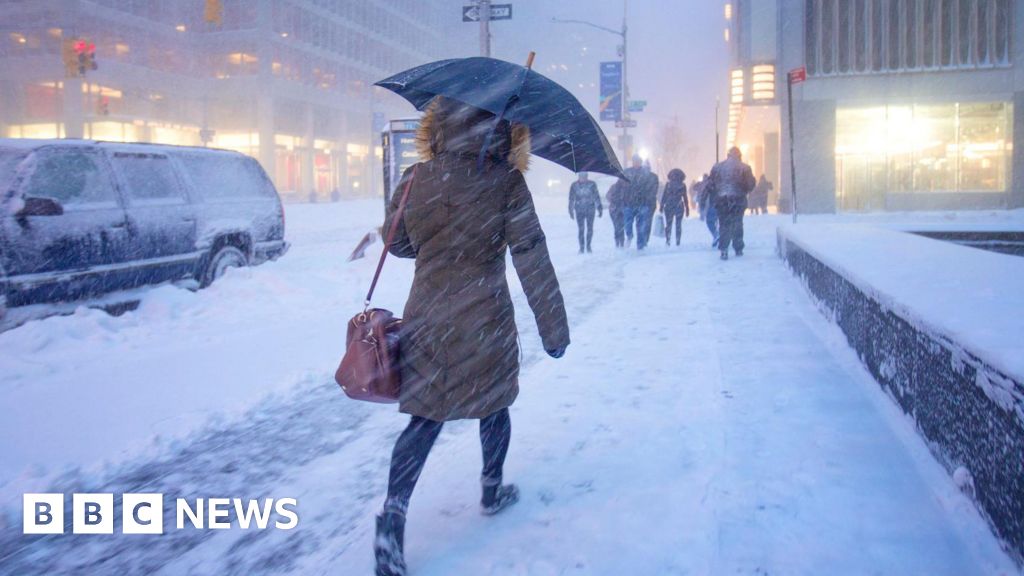
- Increased Heating Needs: The frigid temperatures of early 2025 prompted a nearly 7% increase in the consumption of natural gas and other fossil fuels for home heating.
- Coal Resurgence: A significant 13% surge in coal usage occurred as electricity demands spiked, marking a stark contrast to the trends observed in other nations like India and China, where coal use has decreased.
- Data Centre Demand: The explosive growth of data centres and cryptocurrency mining operations in regions such as Texas and the Ohio Valley has placed additional strain on the power grid.
- Economic Growth vs. Emissions: Despite an overall economic growth, greenhouse gas emissions outpaced this growth, rising by 2.4% last year.
The Shift in Energy Consumption
The recent report indicates a strategic shift in how the US is meeting its energy demands:
- Higher natural gas prices have inadvertently made coal a more viable option once again.
- The delay in coal plant retirements reflects the urgent need to meet rising electricity demands.
As Michael Gaffney from the Rhodium Group noted, this uptick in coal usage is more than just a temporary blip; it’s indicative of a new reality driven by persistent demand growth, particularly from large consumers like data centres.
Renewable Energy’s Role
Amidst the rising emissions, it’s worth noting the significant growth in renewable energy sources:
- Solar Power Expansion: Solar energy in the US surged by 34%, the fastest growth rate since 2017.
- Transport Emissions Stabilization: Despite being the largest source of greenhouse gases, emissions from transportation remained flat in 2025, largely due to the increasing adoption of hybrid and electric vehicles.
Political Implications
The impact of political policies on these trends cannot be overlooked. While some analysts argue that the Trump administration’s rollback of climate policies had little effect on 2025 emissions, others highlight a direct correlation between policy decisions and the rise in natural gas exports, which have influenced market dynamics.
As we evaluate the situation, it becomes clear that while the data centre boom is a significant driver of demand, the interplay between energy policy and market conditions is also crucial in understanding these emissions trends.
Conclusion
The rise in US emissions in 2025 serves as a stark reminder of the challenges we face in balancing energy demands with environmental responsibilities. The growing reliance on both traditional and renewable energy sources reflects a complex energy landscape that is continuously evolving.
For further insights and detailed information, I encourage you to read the original article at the source: BBC News.