



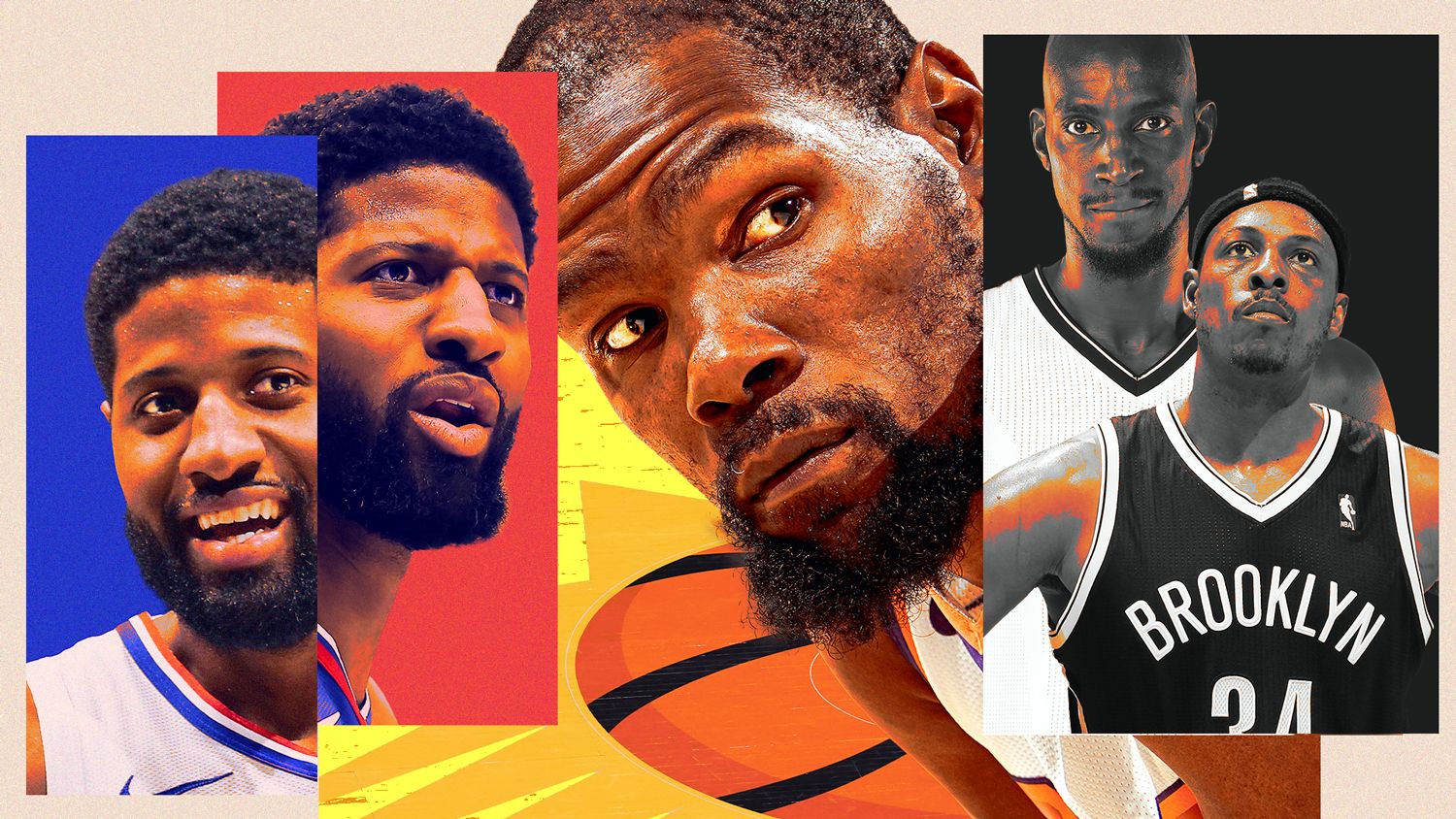
The Rising Trade Value of NBA Superstars: A Closer Look at Recent Blockbuster Deals
The landscape of the NBA is shifting, particularly regarding the trade value of superstars. As we assess this evolving dynamic, it’s clear that front offices are reconsidering their strategies in the wake of new salary cap structures and the outcomes of high-stakes trades. The mood across the league has notably changed, with many executives expressing reluctance to surrender an excessive number of first-round picks for even the most elite players.
Changing Perspectives on Superstar Trades
- Brian Windhorst’s Insights: ESPN’s Brian Windhorst recently highlighted that several team executives are hesitant to part with four first-round picks for any player, regardless of their star status.
- Recent Trade Trends: Historically, blockbuster trades have involved a few draft picks, but this paradigm shifted dramatically following the 2019 trades of Anthony Davis, Paul George, and Russell Westbrook.
- Trade Analysis: We must scrutinize these blockbuster trades to understand whether they were wise investments or missteps, especially with the new financial landscape in mind.
Examining Notable Blockbuster Trades
Let’s delve into some pivotal trades from recent years, assessing their outcomes and broader implications.
Nets Acquire Paul Pierce and Kevin Garnett (2013)
Trade Details: The Nets traded four future first-round picks to the Celtics.
The result? A fleeting playoff run and a legacy of regret as the Celtics turned those picks into franchise cornerstones like Jaylen Brown and Jayson Tatum.
Verdict: Major failure
Lakers Acquire Anthony Davis (2019)
Trade Details: The Lakers traded multiple young talents and picks to acquire Davis.
Outcome: A championship in 2020 and a solid return on investment, despite some underwhelming seasons thereafter.
Verdict: Major success
Clippers Acquire Paul George (2019)
Trade Details: The Clippers gave up a significant haul, including Shai Gilgeous-Alexander.
In hindsight, this trade looks disastrous as Gilgeous-Alexander has emerged as a superstar.
Verdict: Major failure
Rockets Acquire Russell Westbrook (2019)
Trade Details: The Rockets traded Chris Paul and several picks.
While Westbrook initially thrived, the end result was a disappointing playoff exit.
Verdict: Minor failure
Bucks Acquire Jrue Holiday (2020)
Trade Details: The Bucks traded multiple picks for Holiday.
This trade proved fruitful as the Bucks secured a championship in his first season.
Verdict: Major success
The Takeaway: Evaluating Trade Success
In analyzing these trades, we observe a pattern of outcomes:
- Major Success: 3 trades
- Minor Success: 2 trades
- Minor Failure: 2 trades
- Major Failure: 5 trades
This results in a 42% success rate, which is not dissimilar to the shooting percentage of a top-tier player like Stephen Curry. However, the cautionary tales from major failures loom large, steering teams away from bold moves.
Conclusion: The Future of Blockbuster Trades
The reluctance to engage in blockbuster trades stems from the high stakes involved, particularly under the new salary cap rules. While the risks are evident, the potential rewards—especially when acquiring a top-tier superstar—can still justify the investment. The recent trends suggest that while not every blockbuster deal will pan out, the possibility of success remains a compelling reason for teams to consider going all in for elite talent.
As we look ahead, teams will need to balance the allure of superstar acquisitions with the inherent risks, ensuring they have the flexibility to build a sustainable future.
For those interested in a detailed analysis of recent NBA trades, I encourage you to read the original news at the source: ESPN.