



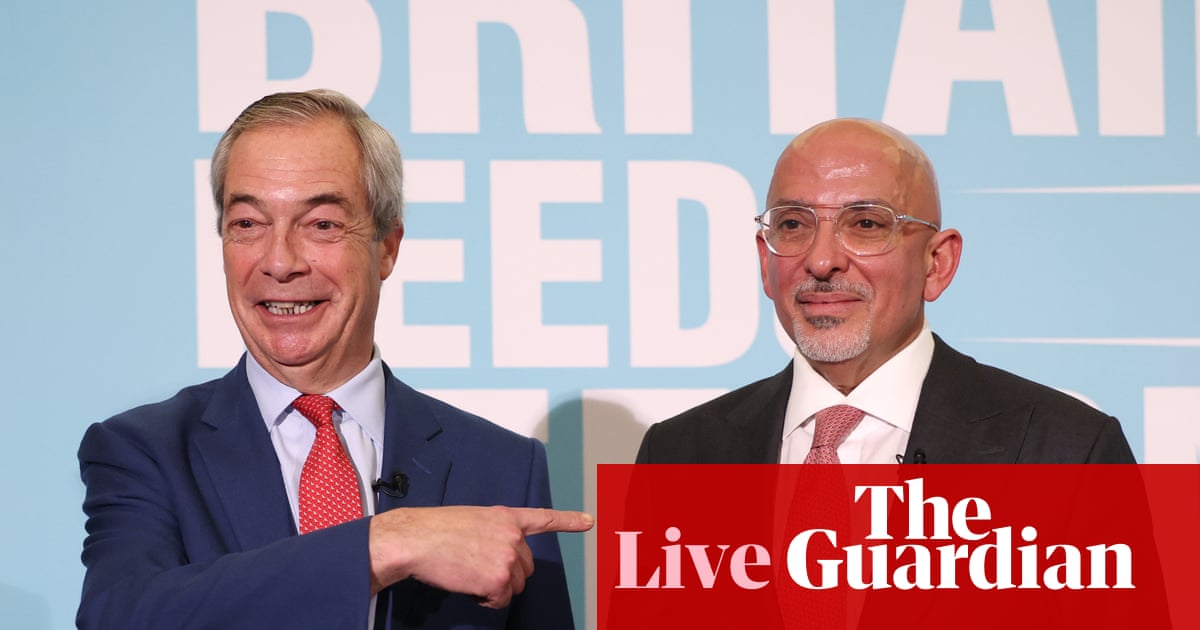
Nadhim Zahawi’s Defection: Analyzing the Political Landscape
The political scene in the UK is witnessing significant upheaval as former Tory minister Nadhim Zahawi has defected to Reform UK after failing to secure a peerage from Kemi Badenoch’s team. This move raises questions about the future of both the Conservative Party and Zahawi himself.
The Quest for a Peerage
According to reports, Zahawi made several attempts to obtain a Tory peerage, only to be rebuffed due to his controversial past, particularly regarding his tax affairs. This series of events highlights a deeper issue within the Conservative Party, as they grapple with retaining their credibility amidst a growing number of defections.
Key Insights from the Defection
- Zahawi’s Motives: His defection appears to be driven by opportunism rather than ideological alignment, reflecting the shifting loyalties within the political landscape.
- Reform UK as a Safe Haven: Zahawi’s move to Reform UK suggests that the party is increasingly becoming a refuge for politicians who have fallen from grace, as noted by various Tory insiders.
- Public Perception: The public may view Zahawi’s switch as a sign of desperation, undermining the credibility of both Zahawi and Reform UK.
- Political Dynamics: This defection may catalyze further shifts from the Conservative Party, as other disgruntled members may consider similar moves.
Political Reactions
The reactions from political opponents have been swift and scathing:
- Labour’s Stance: Labour Chair Anna Turley criticized Zahawi’s move, labeling it as indicative of Reform UK’s lack of integrity.
- Liberal Democrats’ View: The Lib Dems have also weighed in, asserting that Reform UK has become a “retirement home for disgraced former Conservative ministers.”
- Conservative Response: A Conservative spokesperson dismissed Zahawi’s defection as a sign of Reform UK becoming a party of “has-been politicians,” reinforcing the party’s commitment to its principles under Kemi Badenoch.
The Broader Implications
Zahawi’s defection not only affects his career but also reflects the broader challenges facing the Conservative Party. As defections become more common, the party must re-evaluate its strategies and leadership to regain public trust.
In conclusion, Zahawi’s shift to Reform UK may signal a larger trend of instability within the Conservative Party, prompting questions about its future and the potential rise of new political forces in the UK. The coming months will be crucial as the political landscape continues to evolve.
For further details and developments, I encourage you to read the original news at the source: The Guardian.