



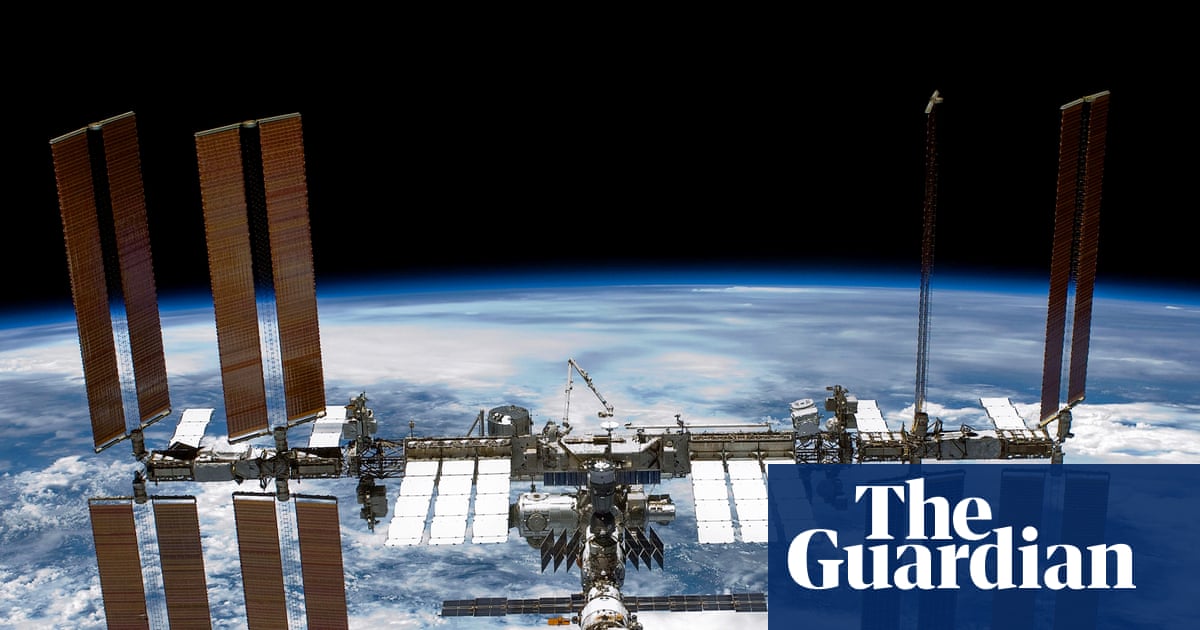
Nasa’s First Medical Evacuation: A Historic and Cautious Decision
In a significant development for space exploration, Nasa has announced its first-ever medical evacuation from the International Space Station (ISS). This decision comes after an astronaut fell seriously ill, although the specific medical issue remains undisclosed, highlighting the delicate balance of human health in the harsh environment of space.
Timeline and Details of the Evacuation
Nasa’s Administrator, Jared Isaacman, shared the timeline for the evacuation during a briefing. The agency plans to initiate the crew’s departure no earlier than:
- Date: Wednesday, 14 January
- Time: 5 PM EST
- Landing: Near California on Thursday morning, 15 January, contingent upon weather and recovery conditions.
This unprecedented evacuation underscores the seriousness of the situation, with Isaacman stating, “This was a serious medical condition. That is why we’re pursuing this path.” The gravity of the astronaut’s condition forced Nasa to act decisively, prioritizing the health and safety of its crew.
The Implications of the Evacuation
This event marks a historic moment in the 25-year history of the ISS. The implications of a medical evacuation in space can be profound, considering the unique challenges presented by low gravity and the complexities of medical care in orbit. Key points include:
- Privacy Concerns: Nasa has not disclosed the astronaut’s identity or specific medical issue, citing patient privacy, which raises questions about transparency in such critical situations.
- Stability of the Astronaut: Dr. James Polk, Nasa’s chief health and medical officer, clarified that the astronaut is stable, indicating this is not an emergency evacuation, yet concerns remain regarding the unknown diagnosis.
- Impact on Crew Operations: The Crew-11 team, which includes astronauts from various countries, will be affected by this evacuation. The remaining team members must adapt to an altered operational dynamic.
The Future of the ISS and Human Spaceflight
As we look to the future, Nasa plans to decommission the aging ISS, with a target to bring it out of orbit by late 2030 or early 2031. The necessity for safe human spaceflight operations is more critical than ever, emphasizing the need for robust medical protocols.
The ISS serves as a vital platform for scientific research and international cooperation in space. However, incidents like this serve as a stark reminder of the risks associated with human presence in such extreme environments.
In conclusion, while Nasa’s proactive approach to this medical evacuation is commendable, it also underscores the inherent challenges of space exploration. As we continue to push the boundaries of human capability, the health and safety of astronauts must remain our top priority.
For further details, I encourage readers to check out the original news article at The Guardian.