



UK Military Actions Against Shadow Fleets: An In-Depth Analysis
Recent developments concerning the UK government’s approach to tackling shadow fleets raise critical questions about international law, military engagement, and geopolitical strategy. The government has identified a legal framework that may allow UK forces to board and detain vessels linked to sanctions evasion, primarily operated by Russia, Iran, and Venezuela.
The Context of Shadow Fleets
Shadow fleets refer to ships that operate under flags of convenience to evade sanctions, making it difficult to trace ownership and responsibility. This tactic has been exploited by countries like Russia and Iran, who are under significant international sanctions. The implications of this phenomenon are profound:
- Sanctions Evasion: These vessels are crucial for transporting oil and other goods, directly undermining sanctions aimed at curbing hostile actions.
- International Law Challenges: The legality of boarding these vessels raises questions about sovereignty and the extent of military engagement in international waters.
- Geopolitical Tensions: The actions taken against these vessels are a direct response to escalating geopolitical conflicts, particularly in relation to the war in Ukraine.
Recent Military Developments
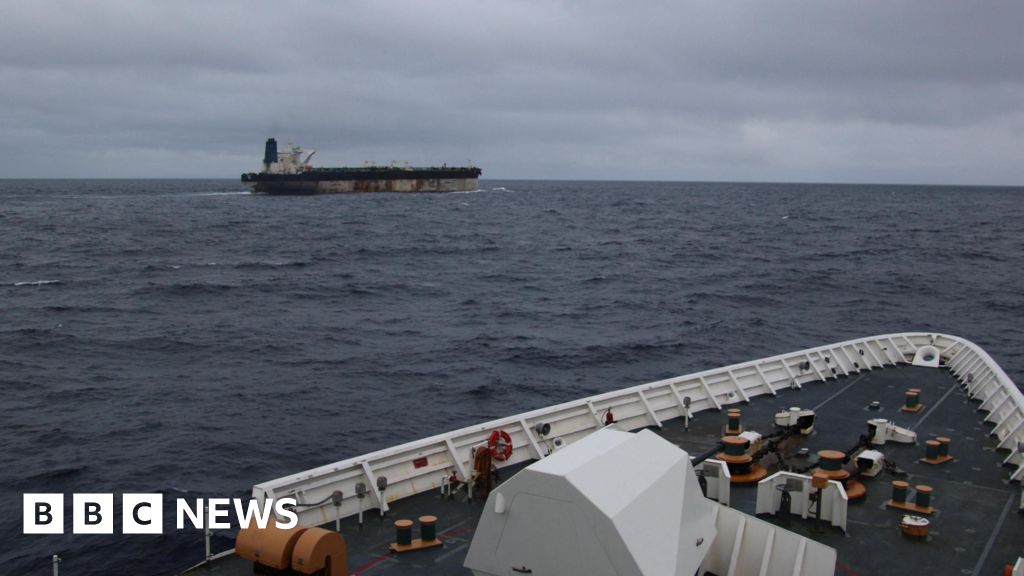
In a notable operation last week, British armed forces assisted the US in seizing the Marinera oil tanker, which was allegedly transporting oil for sanctioned nations. This operation marks a significant step in the UK’s military involvement in maritime enforcement:
- Military Powers: The UK is looking to utilize the Sanctions and Money Laundering Act of 2018, which officials believe provides the necessary legal grounds for military action against shadow vessels.
- Future Actions: While no UK military personnel have boarded any vessels to date, officials are actively preparing for potential operations against these flagged ships.
- Impact on Shipping: The government’s actions have reportedly forced around 200 shadow vessels off the seas, indicating a tangible impact on illegal maritime operations.
Government Stance and International Cooperation
UK Defence Secretary John Healey has emphasized that the government will not tolerate increasing malign activities on the high seas. The approach reflects a broader strategy of enhancing military options and strengthening coordination with allies. Key points include:
- Legal Mechanism Identification: The government is keen on utilizing newly identified legal frameworks to confront shadow fleets.
- Increased Surveillance: The UK has ramped up surveillance and insurance checks, with Transport Secretary Heidi Alexander noting over 600 ships have been stopped near British waters.
- Insurance Risks: Vessels operating without legitimate flags often lack insurance, posing significant risks in case of maritime accidents, such as oil spills.
Final Thoughts
As the UK government prepares to escalate its efforts against shadow fleets, the implications of these actions will reverberate across international waters and geopolitical landscapes. The balance between enforcing sanctions and adhering to international law will be a delicate one, requiring careful navigation to avoid escalating tensions further.
For a detailed exploration of the original news, please read the full article here.