



Raising Awareness for Spinal Muscular Atrophy: A Call to Action
Recently, the heartbreaking announcement by former Little Mix star Jesy Nelson regarding her twins’ diagnosis of spinal muscular atrophy type 1 (SMA1) has captured the public’s attention and ignited a crucial conversation about newborn screening for this rare genetic condition. As we delve deeper into this issue, it becomes evident that the response from health officials, while positive, is long overdue.
Government Response: Too Little, Too Late?
Health Secretary Wes Streeting promptly acknowledged the need for action, stating, “I’m determined to look not just at screening for SMA, but to make much better use of genomic medicine.” However, this promise rings hollow for many families who have been advocating for this change for years. Their frustrations stem from a history of being overlooked and ignored by those in power.
The Voices of Experience
Families affected by SMA have shared their painful journeys in their struggle for recognition and timely diagnosis. Some key insights from their experiences include:
- Portia Thorman, head of advocacy at SMA UK, expressed her frustration after campaigning for four years, stating that the government’s previous indifference feels like a betrayal.
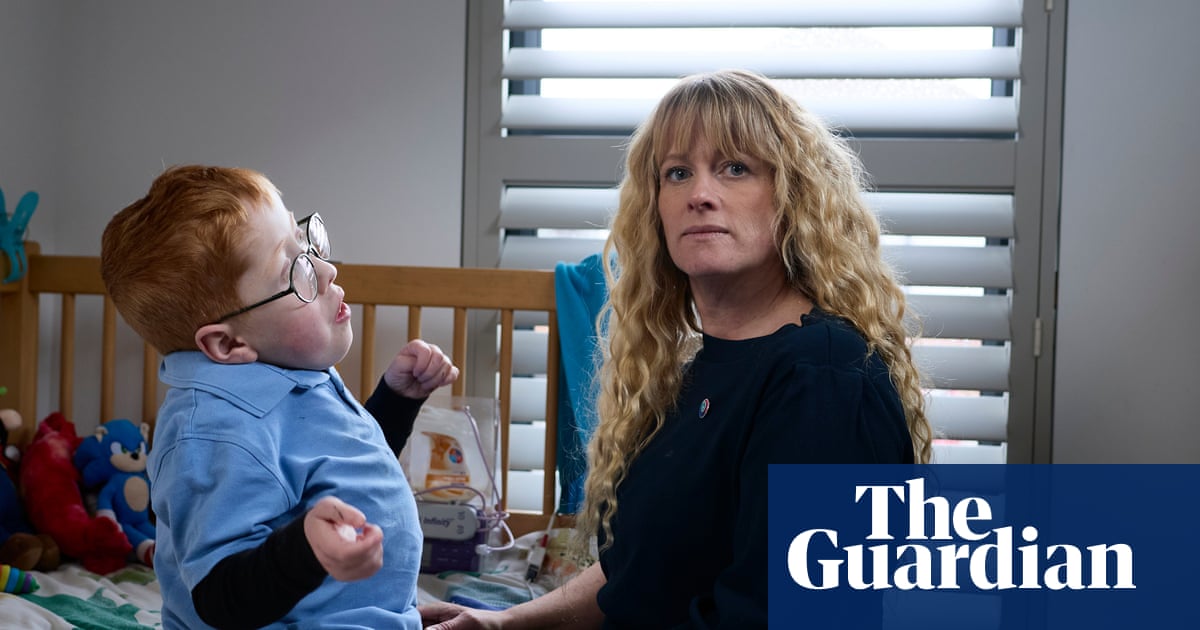
- Amy Moffatt, whose son was diagnosed at 10 weeks, highlighted the neglect surrounding the need for screening, emphasizing the emotional toll it takes on families.
- Many parents feel that because SMA is a rare disease, it has been brushed aside by politicians who prioritize issues that resonate more broadly with their constituents.
The Impact of SMA
SMA, especially type 1, is a devastating condition that leads to muscle degeneration. Without treatment, affected infants often do not survive past their second birthday. The stories of families like the Moffatts underscore the urgent need for early diagnosis and intervention:
- Early treatment can drastically alter outcomes, as shown in cases where children received gene therapy, significantly improving their quality of life.
- Parents are left to navigate a complex healthcare system, often feeling isolated in their fight for awareness and support.
Changing the Narrative
While the media’s focus on SMA has intensified following Nelson’s announcement, it’s essential to recognize the tireless efforts of advocates who have long campaigned for change. Young adults like Molly Everitt, who lives with SMA type 3, remind us that, despite the challenges, many individuals with SMA lead fulfilling lives. They seek to shift the narrative from one of despair to empowerment.
A Step Forward or a Temporary Fix?
The government’s acknowledgment of the need for a nationwide screening program is a step in the right direction, but it raises questions about its sincerity and effectiveness:
- The UK National Screening Committee has announced plans for a large-scale study to assess newborn screening for SMA.
- Scotland has taken the lead by planning to implement screening in April, leaving England lagging behind.
- Other countries, including the US and Germany, have successfully integrated SMA screening, highlighting a disparity in healthcare approaches.
Conclusion: A Call for Action
The reaction to Jesy Nelson’s announcement, while a moment of visibility for SMA, should not overshadow the years of advocacy from families and organizations like SMA UK. It serves as a stark reminder that we must prioritize the health and wellbeing of all children, regardless of how rare their conditions may be. The time for action is now, and it is essential for government officials to recognize and address the needs of these families without delay.
To read the original news article, please visit The Guardian.