



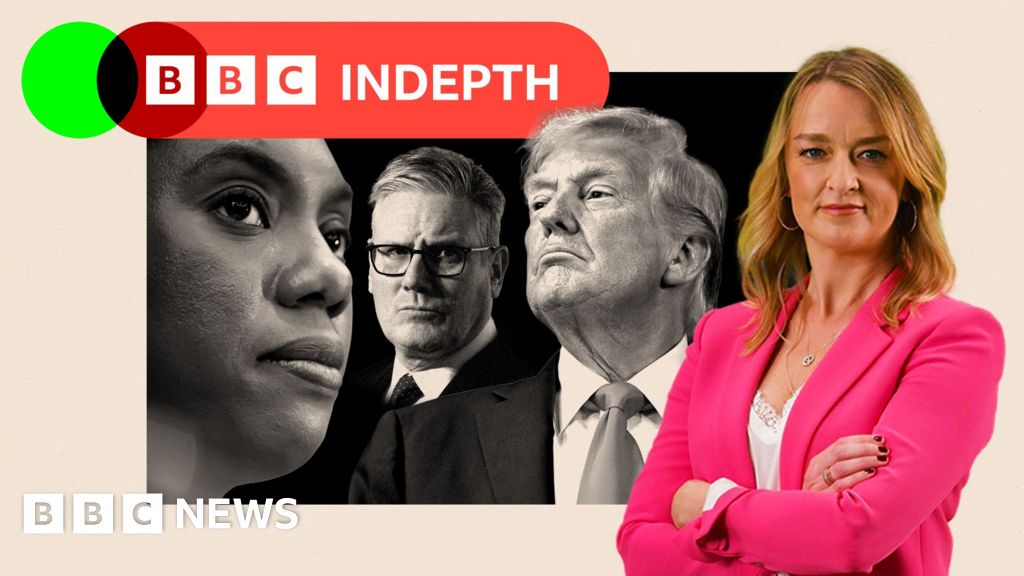
Analyzing the Current Political Landscape: Starmer, Trump, and Foreign Policy
The political scene is heating up as Prime Minister Keir Starmer navigates the complex interplay of domestic and international affairs. With Donald Trump’s influence looming large, it raises questions about the viability of Starmer’s leadership amid rising opposition and critical foreign policy challenges.
The Stakes of Foreign Policy
Starmer’s government has been praised for its foreign policy approach, especially in its dealings with the United States. However, Trump’s recent assertiveness on the global stage—particularly regarding Venezuela and Greenland—poses a significant challenge. To understand the implications of this, let’s break it down:
- Domestic Criticism: Starmer’s closeness to Trump has raised eyebrows within the Labour Party, with some fearing it could alienate traditional voters.
- Transactional Politics: In politics, relationships often come at a cost. Starmer’s support for controversial leaders may yield better trade deals, but at what price?
- Increased Pressure: As Trump escalates his foreign engagements, Starmer faces mounting pressure from both his party and the opposition to justify his policies.
The Opposition’s Strategy
Starmer’s adversaries are seizing the moment to challenge his authority, particularly Kemi Badenoch, who is gaining traction within the Conservative Party. Her critique of Starmer’s foreign policy—claiming he is out of touch and too reliant on Trump—could reshape the political narrative. Key points include:
- Challenging Authority: Badenoch’s assertion that Starmer is irrelevant due to his failure to engage directly with Trump highlights a potential vulnerability.
- Public Sentiment: Growing discontent regarding foreign policy decisions may lead to a shift in public opinion against Starmer, especially with the Lib Dems and Greens eager to capitalize on this sentiment.
- Defence Spending Dilemma: The debate over how much to allocate for defence is intensifying, with growing concerns about global stability.
The Broader Implications
As the situation unfolds, it is essential to consider the broader implications for both the Labour Party and the UK as a whole:
- Leadership Stability: Despite the challenges, significant international turmoil may deter any leadership challenges within Labour, as potential contenders appear self-indulgent amid a crisis.
- Foreign Policy as a Debate Ground: The opposition parties, particularly the Lib Dems, are eager to challenge Starmer on foreign policy, a typically less scrutinized area but now becoming increasingly pivotal.
- Public Perception: While voters generally focus on domestic issues, the current geopolitical landscape may shift priorities and influence electoral outcomes.
Conclusion
The rapid developments in global politics, particularly surrounding Trump’s actions, necessitate a reassessment of Labour’s strategies and Starmer’s leadership. As we move forward, the question remains: can Starmer effectively balance the demands of his party while navigating the turbulent waters of foreign policy?
For a deeper dive into this topic, I recommend reading the original news article here.