



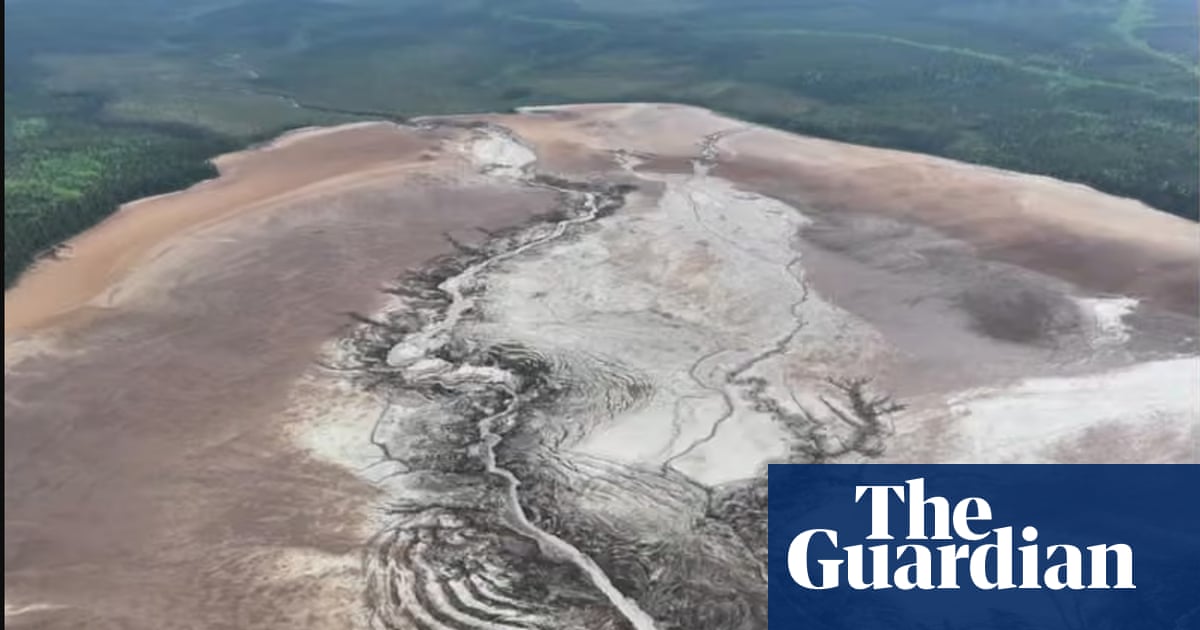
The Mysterious Disappearance of Lake Rouge
In an astonishing turn of events last May, Lake Rouge in northern Quebec vanished overnight, leaving a community and scientists grappling with the implications. Manoel Dixon, a local resident, received a bewildering message that would soon lead to a shocking discovery: the tranquil lake, once teeming with life, had completely drained.
Initial Shock and Community Impact
Upon visiting the site, Dixon and his family were met with a stark reality—where water once flowed, only mud and dead fish remained. Chief Irene Neeposh of Waswanipi, an Indigenous Cree community, expressed her devastation, noting that this phenomenon was entirely unprecedented.
- Community Response: An emergency meeting was called, but the lack of precedent left leaders uncertain about how to proceed.
- Nature’s Fury: Scientists labeled this occurrence an “outburst flood,” a term typically reserved for specific geological events.
Understanding the Cause
Theories abound regarding whether this was a freak of nature or a consequence of human activity. Experts suggest that both natural geology and human actions may have played roles in this environmental calamity. Key factors include:
- Geological Conditions: Lake Rouge was situated on elevated terrain with soft banks, creating a vulnerability.
- Recent Weather Patterns: An unusually high snowfall followed by rapid spring melts contributed to the lake’s sudden drainage.
- Historical Context: The area has suffered from two significant wildfires in recent years, which have destroyed vegetation crucial for maintaining soil stability.
The Role of Logging and Wildfires
Logging activities, particularly in regions prone to wildfires, have further complicated the landscape. The removal of mature trees has increased runoff and weakened soil structure around vital water bodies. Some critical observations include:
- Vegetation Loss: Mature forests naturally regulate water absorption; their absence leads to rapid melting of snow and increased groundwater levels.
- Soil Integrity: Disturbances in the ecosystem compromise soil strength, making it susceptible to collapse along riverbanks and lake edges.
Scientific Debate and Future Implications
While the Quebec government attributed Lake Rouge’s disappearance to natural causes, the scientific community remains divided. The question of whether logging and climate change accelerated the event is under scrutiny:
- Emerging Patterns: Experts like hydrologist Younes Alila point to a troubling trend of increased instability in similar ecosystems, suggesting that human influence cannot be ignored.
- Historical Precedence: A similar event occurred in 1974, raising concerns about the frequency of such occurrences in a rapidly evolving landscape.
Concluding Thoughts
The disappearance of Lake Rouge serves as a poignant reminder of the fragility of our natural environment. As communities like Waswanipi confront these challenges, there is an urgent need for further research and proactive measures to prevent similar incidents. Chief Neeposh’s call for awareness underscores the importance of understanding and mitigating risks posed to other water bodies in the region.
For those interested in exploring this story further, I encourage you to read the original news article at the source: The Guardian.