



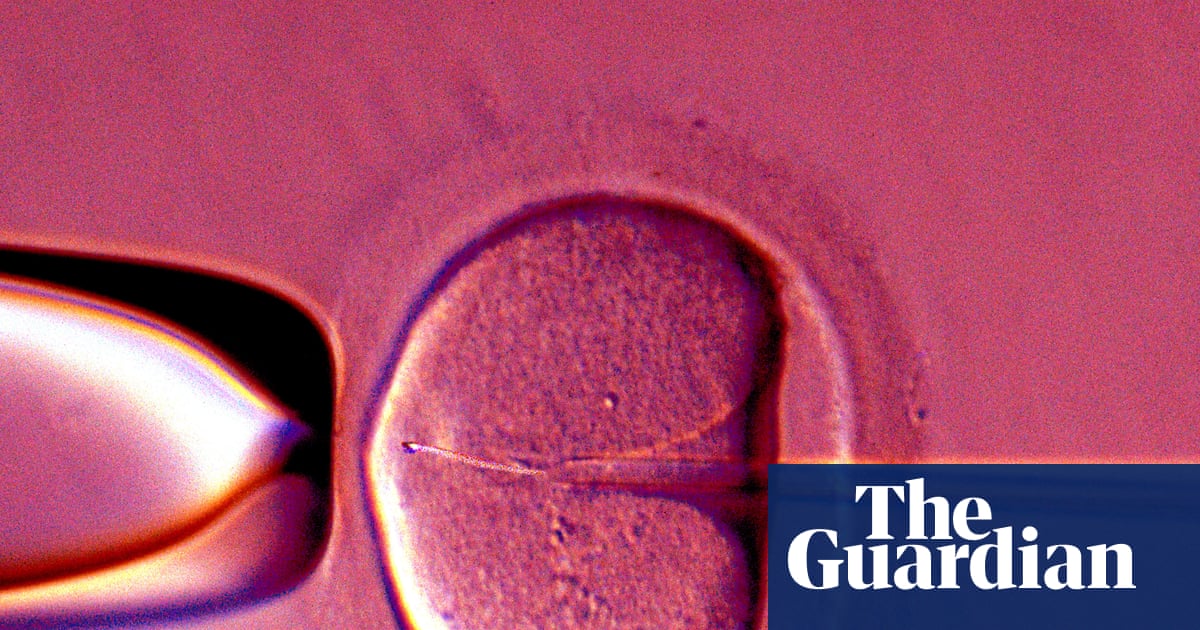
Revolutionary Breakthrough in IVF: Rejuvenating Human Eggs
In an exciting development within the realm of reproductive science, researchers have made significant strides in rejuvenating human eggs, a breakthrough that could fundamentally alter the landscape of in vitro fertilization (IVF) for older women. This research marks a pivotal moment in addressing age-related fertility challenges, and its implications cannot be overstated.
Key Findings and Implications
The study reveals that by supplementing eggs with a vital protein, scientists have been able to reverse an age-related defect that leads to genetic errors in embryos. This discovery presents a potential solution to one of the most pressing issues in reproductive health.
- Reduction in Genetic Errors: The use of microinjections of a protein known as Shugoshin 1 resulted in a significant decrease in the incidence of chromosomal defects in eggs. Specifically, the defect rate dropped from 53% in untreated eggs to 29% in treated ones.
- Impact on IVF Success Rates: This breakthrough could enhance the quality of eggs, addressing the primary cause of IVF failure and miscarriage, particularly in women over the age of 35, where the average success rate plummets.
- Commercial Potential: With Ovo Labs aiming to bring this technique to market, the hope is that it could allow more women to conceive within a single IVF cycle, rather than relying on multiple attempts.
Understanding the Science Behind the Breakthrough
At the core of this research is the process of meiosis, where sex cells undergo complex changes to prepare for fertilization. In older eggs, chromosomal pairs tend to misalign, leading to errors that result in embryos with an abnormal number of chromosomes. The decline of Shugoshin 1, a protein crucial for maintaining chromosomal integrity, has been identified as a key factor in this phenomenon.
In practical terms, this means:
- The research demonstrated that restoring levels of Shugoshin 1 can effectively “glue” the chromosome pairs together, facilitating proper alignment and division during fertilization.
- While the approach does not extend fertility beyond menopause, it offers a significant step forward for women struggling with age-related fertility decline.
Expert Opinions and Future Prospects
Experts in the field are optimistic about these findings. Dr. Güneş Taylor from the University of Edinburgh highlighted the importance of developing effective methods for older eggs, noting that a single injection to improve chromosomal organization could provide a much better foundation for successful pregnancies.
The implications of this research could be transformative, potentially allowing older women to experience higher success rates in IVF treatments. As we await further clinical trials and more comprehensive data, the scientific community remains hopeful about the possibilities this advancement may bring.
For those interested in the details of this groundbreaking research, I encourage you to read the original article at the source: The Guardian.