



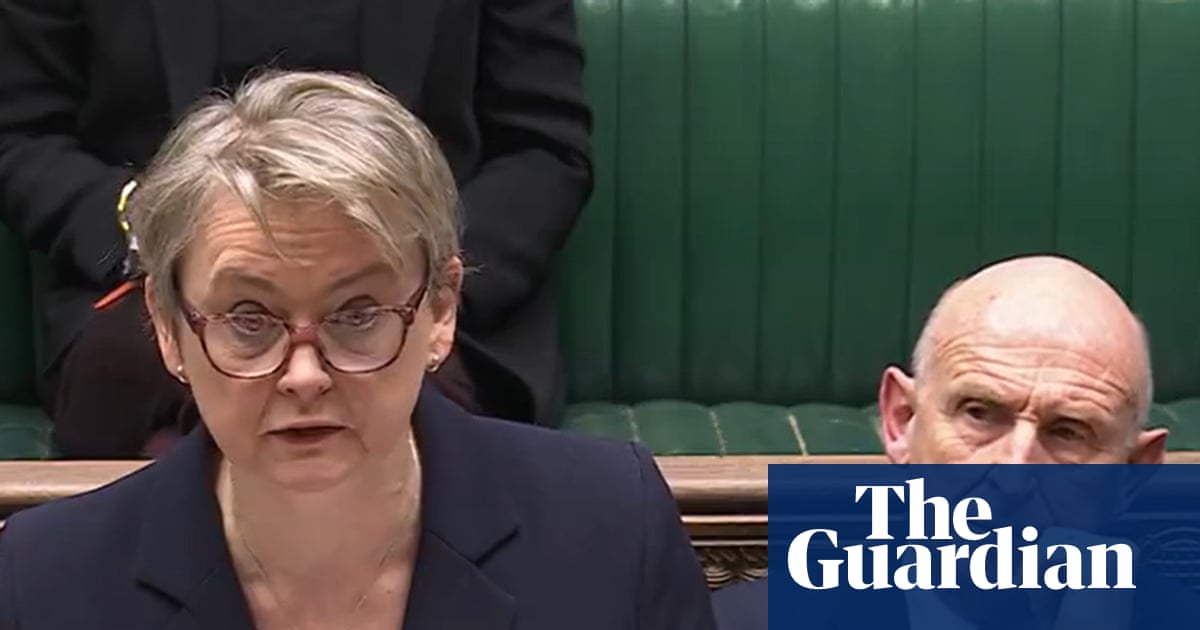
Analysis of UK Parliamentary Response to Trump’s Actions in Venezuela
The recent uproar in the UK Parliament over the government’s muted response to Donald Trump’s controversial actions in Venezuela is a reflection of a larger, troubling trend in international relations. As MPs from various parties vocally criticized ministers, particularly Foreign Secretary Yvette Cooper, it became clear that there is significant discontent regarding the UK’s stance on this vital issue.
Political Frustration and International Law
MPs expressed their frustrations over what many perceive as a blatant disregard for international law. The reluctance of UK leaders to openly condemn Trump’s aggressive maneuvers raises several critical questions about our global position and ethical responsibilities.
- Emily Thornberry, Labour chair of the foreign affairs select committee, emphasized the need for Britain to denounce such actions: “If a large and powerful country abducts the leader of another… doesn’t the foreign secretary agree that this should be called out?”
- Richard Burgon, a Labour MP, pointed to the Prime Minister’s failure to engage with the implications of Trump’s actions, highlighting a concerning trend of ignoring the United Nations charter.
- Ed Davey, leader of the Liberal Democrats, reminded us that while Maduro is a dictator, that does not justify illegal actions by another state.
Concerns of Global Implications
The implications of the UK’s silence are far-reaching. Critics warn that this lack of a robust response could embolden nations like China and Russia, who may see a fractured Western alliance as an opportunity to expand their influence. Former Conservative Foreign Secretary Jeremy Hunt articulated a stark warning about the future of NATO, suggesting that if American aggression extends to allies like Denmark, it could destabilize the entire alliance.
Diplomacy Under Pressure
As discussions continue at the highest levels of government, there is a palpable tension in the air. Cooper’s conversations with her US counterpart and Venezuelan opposition figures illustrate the precarious balancing act the UK must perform. There is an urgent need to uphold international law while maintaining essential relationships with powerful allies.
- The Prime Minister stated he wanted to “establish the facts” before passing judgment on Trump’s legality, a position that could be seen as indecisive.
- Home Office Minister Mike Tapp’s refusal to directly confront the idea of US annexation of Greenland further illustrates the delicate nature of current international diplomacy.
In conclusion, as the UK navigates these turbulent waters, it is crucial for our leaders to assert a clear and principled stance on international law and human rights. The responses we see today will shape the UK’s role on the world stage for years to come.
For further details, please read the original news article at The Guardian.