



UK’s Reaction to US Military Action in Venezuela: A Complex Landscape
In the wake of the recent US military intervention in Venezuela, Prime Minister Sir Keir Starmer has found himself navigating a tricky political landscape. His cautious response to whether President Trump’s actions might have violated international law reflects not just the complexities of international relations but also the delicate balance of UK domestic politics.
Starmer’s Measured Approach
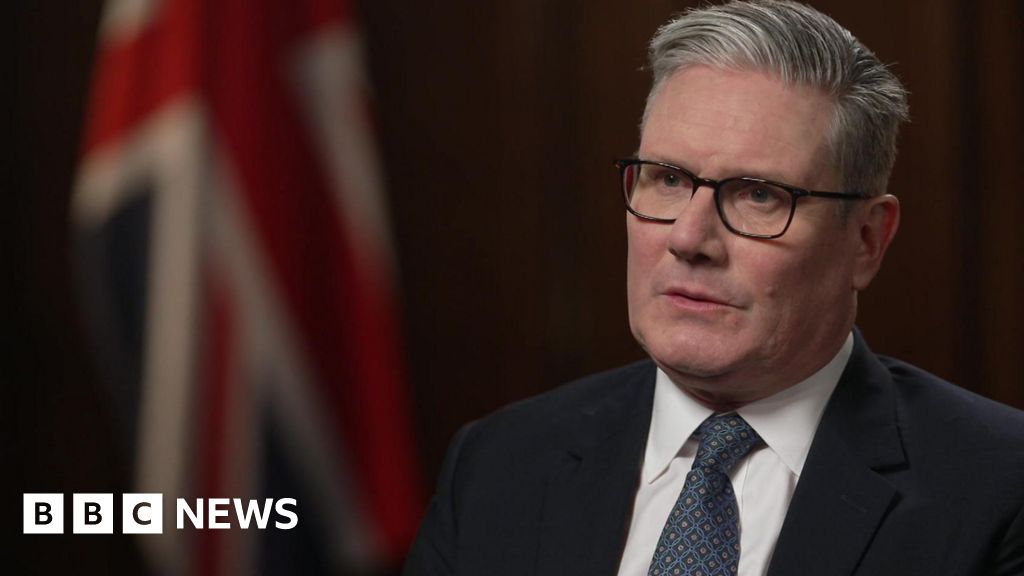
During an interview with the BBC’s Sunday with Laura Kuenssberg, Starmer made it clear that he was not ready to condemn the US strikes outright. He emphasized the need for more facts before forming a definitive opinion:
- Starmer is waiting for a complete picture of the situation before commenting on the legality of the US actions.
- He reiterated his long-standing advocacy for international law, indicating that he does not shy away from engaging in complex diplomatic discussions.
- Starmer confirmed that the UK was not involved in the military operation that led to the arrest of President Nicolas Maduro, asserting the UK’s stance on the legitimacy of his government.
The UK’s Position on Maduro
In his subsequent comments, Starmer reiterated the UK’s view of Maduro as an illegitimate leader and expressed support for a transition to a government that represents the Venezuelan people’s will:
- The UK government is working to ensure the safety of approximately 500 British nationals in Venezuela.
- Travel advisories have been issued, urging British citizens in Venezuela to remain vigilant and prepared for rapid changes.
The Broader Implications of US Actions
The military action, characterized by Trump as necessary to combat alleged drug trafficking and restore order, has sparked debate internationally. Key points include:
- Trump’s assertion that the US will “run” Venezuela until a safe transition can occur raises questions about sovereignty and the role of external powers in domestic politics.
- The operation, reportedly involving elite US forces, underscores the ongoing tension in US-Venezuela relations, exacerbated by accusations of Maduro’s drug-related activities.
- Critics, including a former chief prosecutor at the International Criminal Court, have labeled the military campaign as a potential violation of international humanitarian law.
Reactions from UK Politicians
The UK political sphere has reacted with a mix of support and criticism regarding both the US actions and Starmer’s response:
- Conservative leader Kemi Badenoch opted for caution, suggesting that the focus should remain on the voices of Venezuelans fighting for democracy.
- Shadow Foreign Secretary Dame Priti Patel expressed that no one would mourn Maduro’s removal but emphasized the need for due process.
- Liberal Democrats and Green Party leaders have called for stronger condemnation of the US strikes, warning against setting a precedent for military interventions.
Conclusion: A Volatile Global Landscape
As Starmer pointed out, we are indeed in a more volatile world. The repercussions of military actions like those in Venezuela can have far-reaching effects not just on international relations but also on domestic political dynamics. In an era where the sovereignty of nations is increasingly challenged by military interventions, the UK must tread carefully. Starmer’s approach, while tentative, recognizes the complexity of international law and the necessity of a measured response. The evolving situation will require close monitoring and strategic dialogue with international partners.
For those interested in a more detailed insight, I encourage you to read the original news article.