



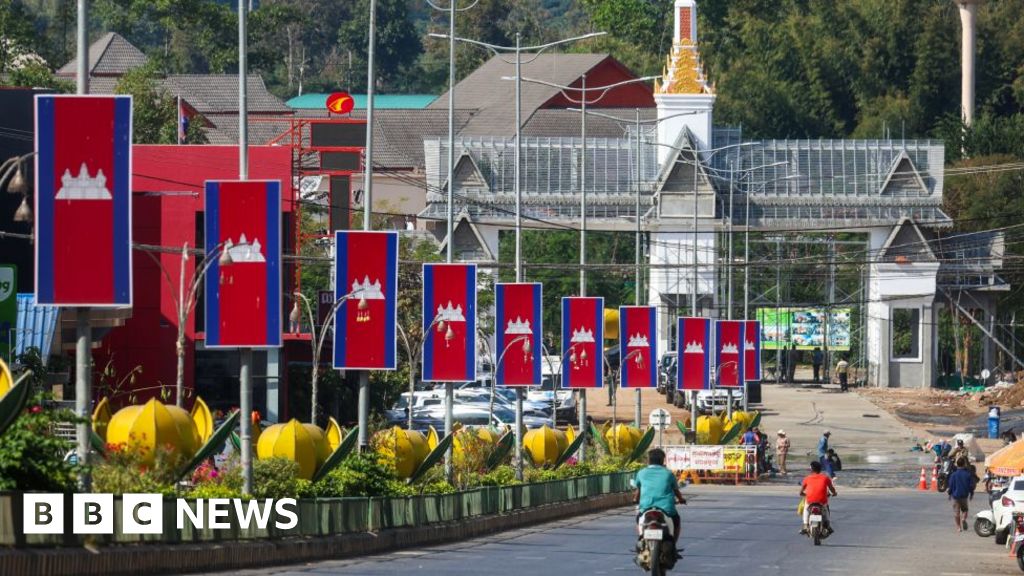
Ceasefire Between Thailand and Cambodia: A Fragile Hope for Peace
The recent ceasefire agreement between Thailand and Cambodia marks a significant moment in a protracted conflict that has displaced nearly one million individuals along their shared border. As we analyze the implications of this ceasefire, it’s essential to consider the context and potential outcomes of such an agreement.
Details of the Ceasefire Agreement
The ceasefire took effect at noon local time on Saturday, with both nations agreeing to:
- Freeze current front lines.
- Ban any reinforcements to military forces.
- Facilitate the return of displaced civilians to their homes as soon as possible.
- Remove landmines from the affected areas.
This agreement is particularly notable as it comes after days of diplomatic negotiations, significantly influenced by both China and the United States. A release of 18 Cambodian soldiers held by Thailand is also contingent upon the ceasefire holding for 72 hours, which could be a pivotal step towards restoring trust.
Political Sentiments and Challenges Ahead
Thailand’s Defence Minister, Natthaphon Narkphanit, has emphasized that this ceasefire will serve as a test of sincerity for Cambodia. His statement that Thailand retains its right to self-defense under international law underscores the precarious nature of this agreement. Past experiences, such as the failed ceasefire in July, loom large over current negotiations, creating skepticism about the longevity of this truce.
International Perspectives
International voices are cautiously optimistic. UN human rights chief Volker Türk expressed hope that this ceasefire could pave the way for lasting peace, while an EU spokesperson has called for good faith in its implementation. However, the absence of direct involvement from key figures, like former President Trump, raises questions about the level of international commitment to ensuring peace in the region.
The Historical Context of the Conflict
The roots of this conflict stretch back over a century, with tensions flaring particularly this year after a series of confrontations, including the tragic loss of lives during border clashes. The Cambodian military has suffered significant setbacks, which only adds to the complexity of achieving a sustainable peace.
Conclusion: A Fragile Peace?
As we look to the future, the key to this ceasefire’s success lies in the political will of both nations. Nationalistic sentiments are running high, and with Cambodia having experienced heavy losses, the road to reconciliation will not be easy. The situation remains tense, and the international community must remain engaged to support a lasting resolution.
For further details, I encourage you to read the original news article here.