



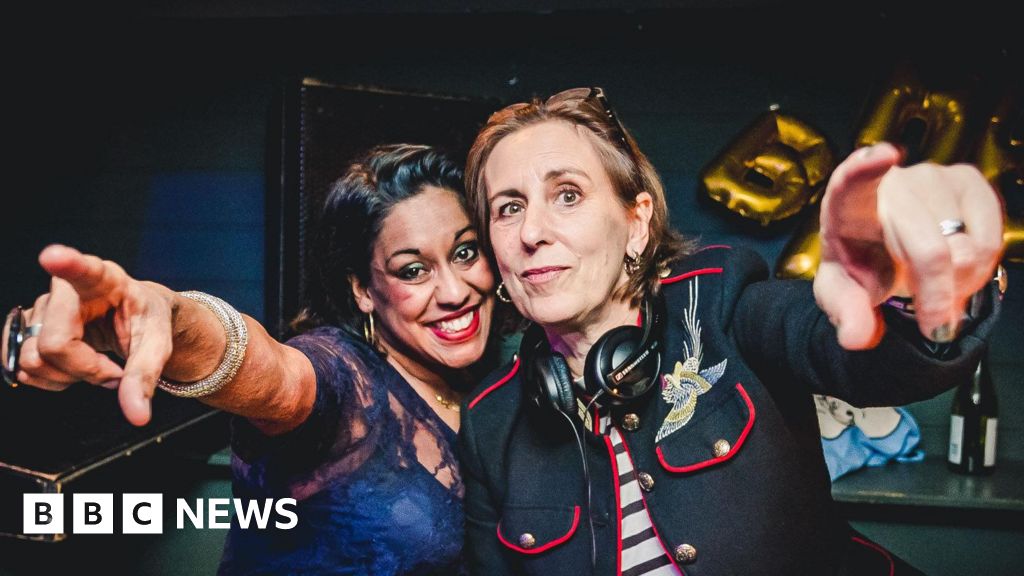
Pretty Ugly: A Cultural Phenomenon in Glasgow’s Nightlife
It’s fascinating to witness how the Glasgow club scene continues to evolve, especially with events like Pretty Ugly, which has thrived for two decades. This unique club night has been a vibrant tapestry woven from the threads of pop culture, eclectic music choices, and a sense of community that transcends typical nightlife boundaries.
Unexpected Connections
The lineup of DJs at Pretty Ugly reads like a who’s who of pop culture, featuring everyone from Claire from the pop act Steps to chart-topping singer Paolo Nutini and the renowned broadcaster Kirsty Wark. This eclectic mix highlights the club’s appeal, drawing in personalities from various facets of entertainment.
The Genesis of Pretty Ugly
Founded by Aarti Joshi, Pam Scobbie, and Lee Beattie, Pretty Ugly began in an unassuming manner, with none of the founders having prior DJing experience. This humble start has blossomed into a beloved institution in Glasgow. Aarti recalls:
- “We had DJed at the Born to Be Wide music seminar in Edinburgh and we had never DJed before.”
- “There was one of us on each CD deck, and one of us on the mixer.”
- “Our diverse backgrounds helped us get bookings.”
The Heart of Pretty Ugly
Despite changes in personnel, particularly with Pam and Lee moving on for family reasons, the ethos of Pretty Ugly has remained unchanged. Aarti emphasizes the club’s commitment to getting people on their feet:
- “Every song should make you dance.”
- “It’s never ‘oh, here’s a nice half an hour to mingle’—you’re up, you’re dancing!”
A Safe Space for All
Another significant aspect of Pretty Ugly is its atmosphere. Lynne Johnston, who joined the team later, noted:
- “So many people told us the club felt like a safe space.”
- “It was just built around us having a mad, diverse group of friends.”
This inclusivity has fostered a loyal following, where people from different backgrounds can come together and enjoy a mix of music—from 80s pop to emo rock.
The Unique DJ Line-Up
One of the club’s standout features is its willingness to invite a wide range of DJs, including unexpected guests like Kirsty Wark and even a near-miss with former First Minister Nicola Sturgeon. Lynne recalls:
- “We had a wish list of unconventional women to ask to come and DJ.”
- “The problem with Nicola was scheduling conflicts.”
This approach not only brings novelty to the lineup but also reinforces the club’s ethos of breaking the mold.
Challenges and Resilience
However, the journey hasn’t been without its hurdles. Aarti’s health challenges and the impact of the COVID-19 pandemic have posed significant obstacles. Yet, their passion for music and dancing has kept the spirit of Pretty Ugly alive:
- “We’re losing what was the Arches to become a bowling alley.”
- “It’s killing culture because that’s where people like Hannah Laing or Ewan McVicar cut their teeth.”
The sentiment that club culture is an essential part of a city’s identity cannot be understated. How else do you get to know someone if not by sharing a moment on the dancefloor, lost in the rhythm of a Kylie Minogue track?
Conclusion
As Pretty Ugly gears up for its anniversary celebrations at King Tut’s Wah Wah Hut, it serves as a reminder of the power of community in nightlife. For those who have yet to experience this delightful escapade, it’s a testament to the enduring spirit of Glasgow’s vibrant club scene.
For more on this story, I encourage you to read the original news article here.