



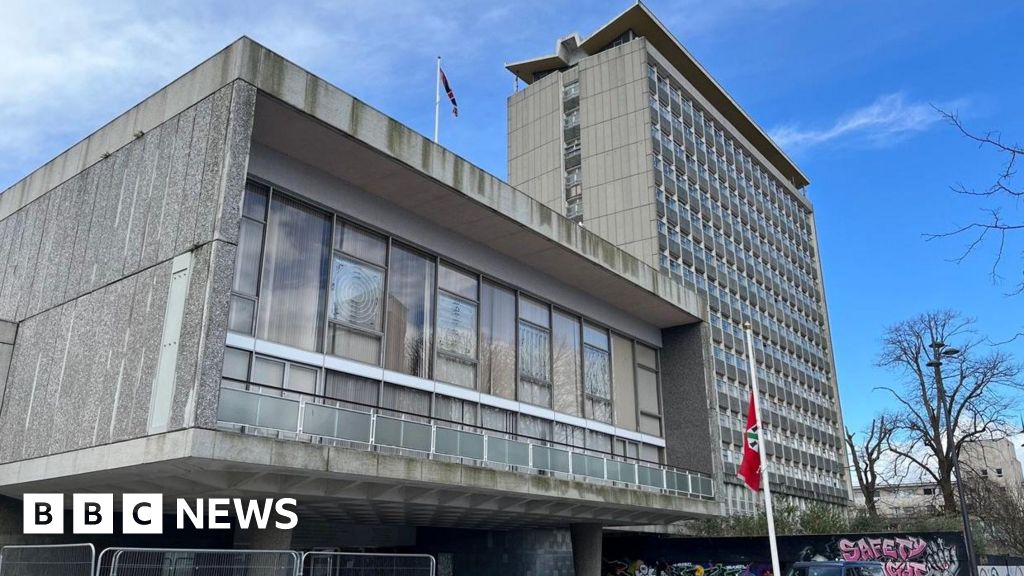
Plymouth City Council Elections: A Step Forward Amidst Local Government Changes
The upcoming local elections in Plymouth have taken center stage as the acting leader of the city council confirmed that they will proceed as scheduled in May. This decision comes amidst discussions surrounding the postponement of elections in other local councils, particularly in Exeter. Let’s delve deeper into this situation and analyze its implications.
The State of Plymouth’s Elections
Jemima Laing, the acting leader of the Labour-led Plymouth City Council, has made it clear that they are well-prepared for the elections. In her words:
“We are already well advanced in our preparations for the May 2026 local elections and plans are firmly in place. Therefore, the elections will proceed as scheduled.”
This proactive stance is commendable, particularly when many councils are grappling with the pressures of local government reorganization. The elections will see a third of the seats on the Plymouth City Council contested, which presents both a challenge and an opportunity for the Labour party, currently holding a significant majority.
Key Points on Plymouth’s Election Landscape
- Plymouth City Council has 57 seats, with Labour currently holding 39.
- 19 seats are contested in May; 10 held by Labour, 5 by Conservatives, 1 by Liberal Democrats, 1 by Green, and 2 Independents.
- Even if Labour loses every contested seat, it would still be the largest party on the council.
Exeter’s Uncertain Future
In stark contrast, the situation in Exeter remains precarious. The leader of Exeter City Council, Phil Bialyk, is contemplating whether to postpone elections, a decision that could potentially shift power dynamics within the council.
Julian Brazil, the Liberal Democrat leader of Devon County Council, has voiced strong opinions regarding this potential move:
“In this context, it would be a disgrace if Exeter residents were deprived of the chance to choose who represents them in the Civic Centre.”
Brazil’s remarks highlight the critical nature of local governance and the trust that residents place in their elected officials. The concern is not just about the elections themselves but the overall governance and service delivery in the face of substantial local government reform.
The Bigger Picture
The backdrop of these elections is a significant overhaul of local government structure, the largest in 50 years, with new authorities set to be established by May 2028. Critics have pointed out that the government’s timing in announcing the option to postpone elections was questionable, especially on the last day of parliament before the Christmas break.
As we approach the January 15 deadline for councils to request election delays, it remains to be seen how many will follow Exeter’s lead. The necessity for adequate funding and resources for local councils has been a recurring theme in the discussions surrounding these reforms, emphasizing the need for a balanced approach to governance.
Conclusion
The situation in Plymouth illustrates a commitment to democratic processes despite external pressures, while Exeter’s uncertainty raises critical questions about representation and governance. As these developments unfold, it’s essential for residents to remain informed and engaged in the electoral process that directly affects their communities.
For a deeper understanding of the unfolding events, I encourage you to read the original news article.