



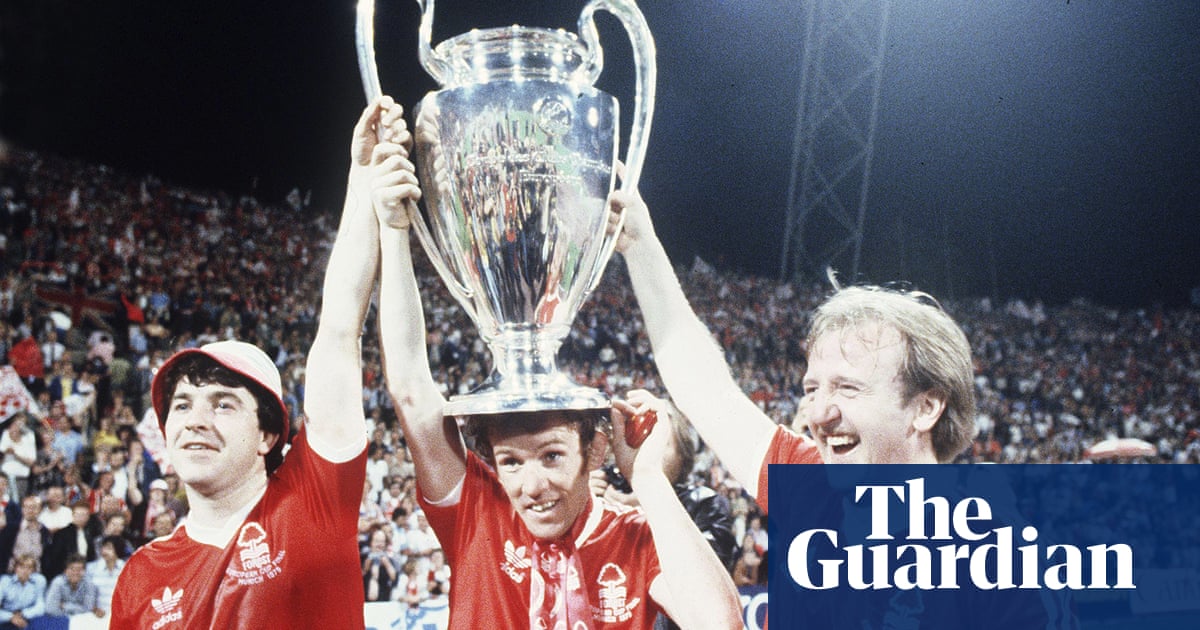
Remembering John Robertson: A Football Legend
It is with a heavy heart that we reflect on the passing of John Robertson, the iconic Nottingham Forest winger and Scotland international, who has left us at the age of 72. His contributions to football, particularly during an extraordinary era for Forest, are etched in the annals of the sport and will be cherished forever.
From Humble Beginnings to Football Greatness
Robertson’s journey began in Uddingston, Lanarkshire, where he started with Drumchapel Amateur FC before joining Nottingham Forest in 1970. His early years at Forest were marked by struggles, primarily due to a lifestyle that clashed with the demands of professional football. However, a pivotal moment came during a candid meeting with Peter Taylor, Brian Clough’s assistant. Taylor’s blunt advice served as a wake-up call, prompting Robertson to transform his approach to the game.
Despite not completely abandoning his off-pitch habits, he embraced a more disciplined lifestyle that allowed his undeniable talent to flourish:
- Skill and Imagination: Robertson was known for his two-footed prowess and creativity on the ball.
- Hard Work: His dedication on the pitch made him integral to Forest’s success.
- Key Contributions: He assisted and scored crucial goals during the club’s historic European Cup victories.
A Legacy of Triumphs
Under the guidance of Brian Clough, Nottingham Forest achieved remarkable feats, including:
- First Division Title (1978): A stunning achievement just a year after promotion.
- League Cup Victories: Winning the trophy in 1978 and retaining it the following season.
- Back-to-Back European Cups: Robertson’s contributions were pivotal in both finals, showcasing his talent on the grandest stage.
His assist in the first European Cup final against Malmö and his decisive goal in the next year’s final against Hamburg highlight his importance in the European competition’s history.
A Life Beyond Playing
After retiring, Robertson transitioned into coaching, finding success as an assistant to Martin O’Neill at Celtic, where he helped the team secure three league titles and reach the UEFA Cup final. His influence extended beyond Forest, as he worked with O’Neill at several clubs, including Wycombe and Aston Villa.
Tributes and Remembrances
Nottingham Forest expressed their sorrow in a heartfelt statement, emphasizing Robertson’s unmatched talent and devotion. His legacy as a “true great” of the club resonates deeply with fans and fellow players alike. Clough’s colorful descriptions of him as “the Picasso of our game” and his candid remarks about Robertson’s appearance serve to underline the endearing complexity of a player who never fit the conventional mold of a footballer but delivered exceptional performances nonetheless.
Robertson’s international career included appearances in two World Cups, where he left his mark by scoring against New Zealand in the 1982 tournament. His contributions to the Scottish national team further cement his status as a football legend.
Conclusion: A Remarkable Life Celebrated
John Robertson’s journey from an uncertain young player to a football icon is a testament to resilience, talent, and the transformative power of guidance. His memory will live on, not just in the records of Nottingham Forest and Scottish football but in the hearts of fans everywhere. As we mourn his passing, we celebrate a life well-lived, marked by extraordinary achievements and an enduring love for the game.
For those wishing to delve deeper into the life and legacy of John Robertson, I encourage you to read the original news article here.