



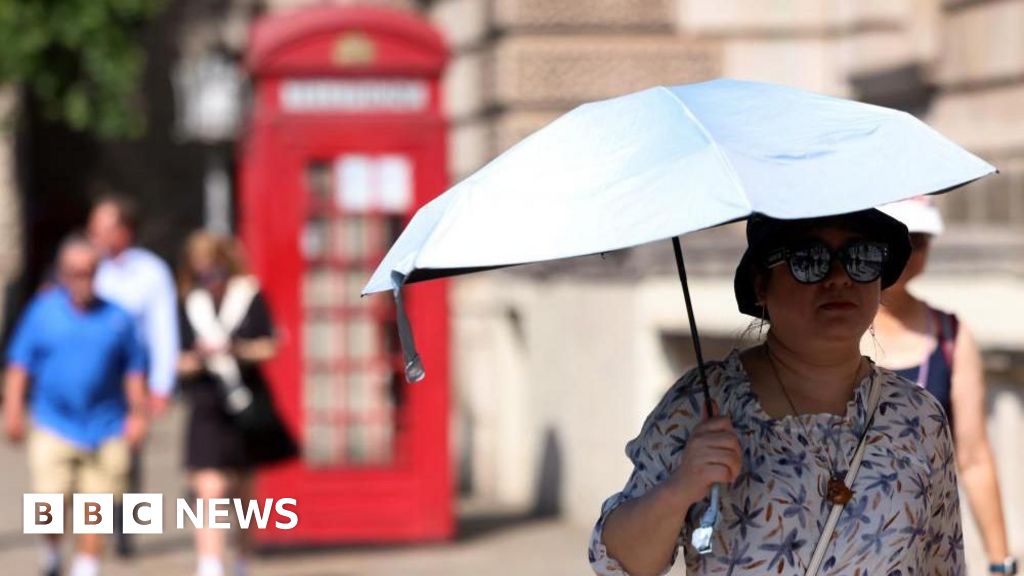
UK’s Temperature Surge: A Harbinger of Change
In a stark reminder of our warming planet, the UK is poised to experience its hottest year on record, with 2025 projected to surpass previous temperature highs. This alarming trend was highlighted by Professor Rachel Kyte, a leading government climate adviser, who stresses the urgent need for preparation and resilience against climate change impacts.
Record Heat on the Horizon
The Met Office has indicated that 2025 is on track to be the hottest year since records began, with an average temperature of around 10.05°C, narrowly edging out the previous record set in 2022. This trend is not merely an anomaly; it represents a broader shift in our climate.
Understanding the Impacts
As we delve deeper into the implications of rising temperatures, several critical points emerge:
- Increased Vulnerability: The combination of low rainfall and persistent warmth has heightened the risk of droughts and wildfires across the country.
- Human Responsibility: The scientific community is unequivocal; human-caused climate change is a significant driver behind these rising temperatures.
- Investment in Resilience: Professor Kyte emphasizes the need for the UK to invest in nature and infrastructure now, warning that failure to adapt will lead to more costly consequences in the future.
The Changing Climate Landscape
By 2025, it is projected that all of the UK’s ten warmest years on record will have occurred within the last two decades. The data speaks volumes:
- Unprecedented Heat: Each month from March to August 2025 was over 2°C above the long-term average.
- Health Risks: Longer periods of heat increase risks, particularly for vulnerable populations, and impact agricultural practices.
- Drought and Water Scarcity: The dry conditions have led to official droughts declared in various regions, stressing water resources and ecosystems.
Wildfires and Environmental Stress
The prolonged dry and warm weather has also created conditions ripe for wildfires, with over 47,100 hectares burned in 2025 alone, surpassing previous records. This alarming trend necessitates a closer look at our environmental management strategies:
- Increased Wildfire Incidents: Fire services have reported unprecedented numbers of wildfires, highlighting the urgent need for improved firefighting resources.
- Water Management: The deficit in water availability poses a threat not just to farming but also to drinking water supplies and ecosystems.
Looking Ahead
As we confront these changes, it’s clear that the UK, like many parts of the world, must adapt to an increasingly volatile climate. The expectation of more extreme weather patterns—ranging from heatwaves to intense winter rainfall—makes it imperative for policymakers and communities to reevaluate their strategies for resilience and sustainability.
While the UK is experiencing significant temperature increases, it is not alone. Global climate patterns reflect a similar trajectory, underscoring the need for collective action in addressing climate change.
For a deeper understanding of this pressing issue, I encourage you to read the original news article here.