



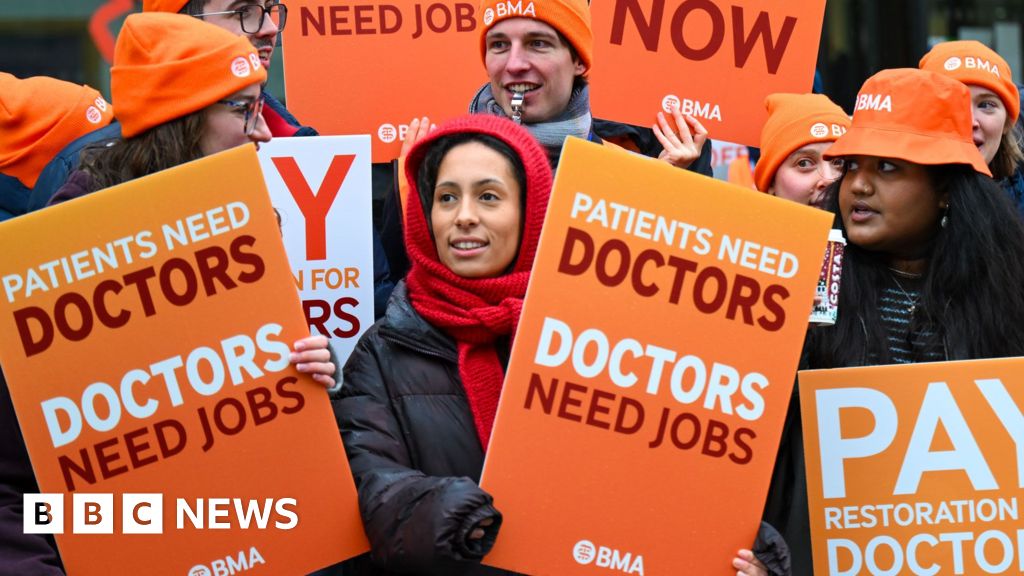
The Impact of Recent NHS Doctor Strikes: A Critical Look
As we dive into the recent developments surrounding the NHS in England, it is essential to grasp the magnitude of the situation. The ongoing strikes by resident doctors, stemming from long-standing pay disputes, have once again disrupted the healthcare system, leaving patients and medical professionals alike in a challenging predicament.
Strikes Disrupt Services During a Critical Time
The five-day strike by resident doctors has resulted in thousands of elective and outpatient appointments being cancelled. This disruption comes at a particularly inconvenient time, with flu cases surging and the NHS already under pressure. The NHS Confederation has noted that the full impact of these strikes on patient care is still being evaluated, highlighting the precarious balance the healthcare system must maintain.
- Resident doctors are crucial for managing day-to-day operations in hospitals.
- Senior doctors were pulled from their usual roles to cover emergencies, further straining resources.
- The ongoing flu season adds to the urgency and complexity of the situation.
Negotiation Breakdown and Continuing Discontent
Despite attempts at negotiation, the British Medical Association (BMA) rejected a new government offer aimed at addressing training and job security concerns. Health Secretary Wes Streeting has expressed a desire to resolve the matter, stating that he hopes for an end to the dispute by the new year. However, the rhetoric from both sides suggests a significant distance remains.
- The BMA emphasizes the need for a comprehensive solution that includes job creation and a sustainable approach to restoring doctors’ pay.
- Streeting has pointed out that the BMA’s demands are financially unfeasible at this time.
- 65% of BMA members participated in the strike, indicating widespread discontent among the ranks.
Long-Term Consequences for the NHS
The ramifications of these strikes will likely extend well beyond the immediate disruption. Health experts warn that the healthcare system will feel the effects into the new year and beyond. With hospitals racing to discharge patients ahead of Christmas, it is clear that the strain on resources will continue to affect care quality.
As Prime Minister Sir Keir Starmer characterized the strike as “dangerous and utterly irresponsible,” it raises questions about the future of NHS labor relations. The BMA’s commitment to working with NHS management during the strike indicates a willingness to cooperate, but trust has clearly eroded.
Looking Ahead: A Call for Collaboration
Moving forward, the emphasis must be on collaboration rather than confrontation. Dr. Jack Fletcher from the BMA has called for a shift from “name-calling” to “deal-making,” which is essential for any meaningful resolution. The healthcare system must evolve and adapt to meet the challenges it faces, and this requires open dialogue between doctors and government officials.
Moreover, with the prospect of strikes in Scotland looming, the situation could become even more precarious. The NHS needs a sustainable plan that not only addresses current grievances but also anticipates future challenges in healthcare delivery.
As we reflect on these developments, it is critical for all stakeholders involved to prioritize patient care and the well-being of healthcare professionals. The road ahead may be rocky, but with genuine collaboration, a path forward is possible.
For further details, I encourage you to read the original news article at the source: BBC News.