



China’s Growing Influence: A Critical Look at Keir Starmer’s Upcoming Visit
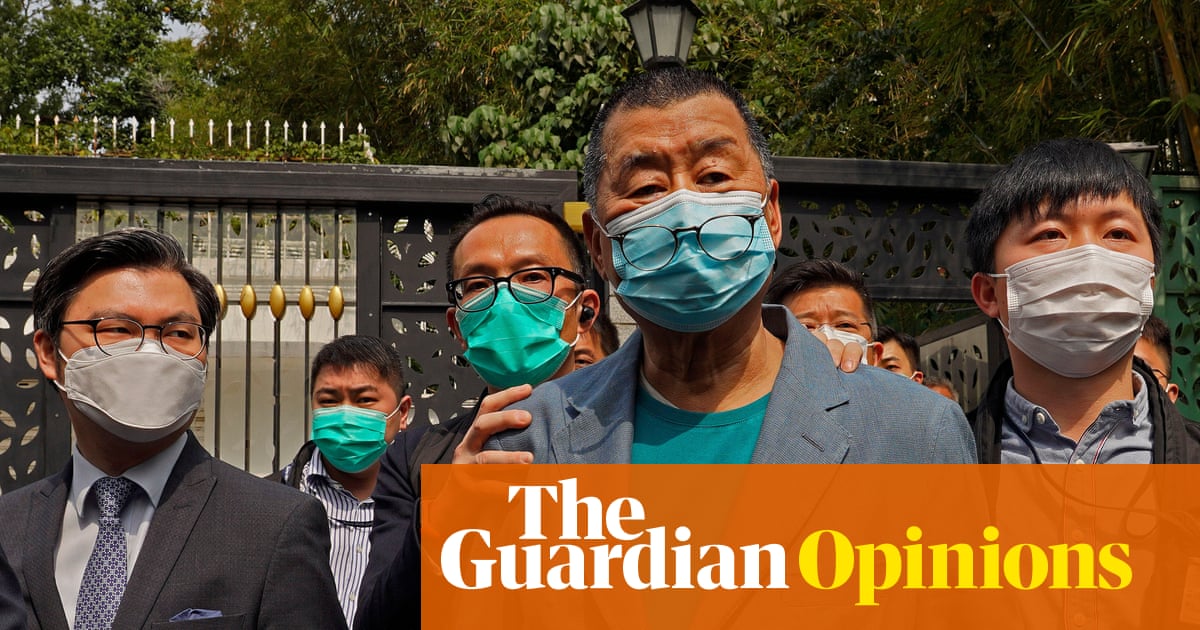
The recent conviction of Jimmy Lai, a prominent newspaper publisher and British citizen, serves as a stark reminder of the brutal suppression of pro-democracy movements in Hong Kong. Lai’s sentencing on dubious charges of attempting to “destabilize” the Chinese Communist Party (CCP) highlights the alarming trajectory of human rights under Xi Jinping’s regime. As a commentator on global affairs, I find this situation deeply concerning, not only for the implications it has on freedom and democracy in Hong Kong but also for the UK’s diplomatic stance towards China.
The UK’s Reaction: A Weak Response?
In response to Lai’s conviction, UK Foreign Secretary Yvette Cooper condemned the trial as “politically motivated.” While her statements express solidarity with those fighting for freedom, they also reveal a painful reality: Beijing’s blatant disregard for British opinions. The UK’s response showcases a troubling mix of indignation and impotence. The historical promise made during the 1997 handover to uphold Hong Kong’s freedoms has been thoroughly undermined by the CCP’s actions.
Keir Starmer’s Upcoming China Visit: A Risky Endeavor
As Keir Starmer prepares for a trade-focused visit to Beijing and Shanghai in January, one has to question the wisdom of such a trip in light of recent events. His assertion that improving relations with China is a “duty” seems misplaced given the current geopolitical landscape. Here are a few points to consider:
- Starmer acknowledges that China poses “national security threats” yet downplays their significance.
- Britain’s economy is stagnant and desperately needs foreign investment, which China can provide.
- The Chancellor, Rachel Reeves, highlighted a potential £1bn opportunity for jobs and growth during her visit to China.
Despite these economic arguments, the high cost of engaging with a predatory authoritarian regime cannot be ignored. Starmer risks compromising UK sovereignty and security in pursuit of economic benefits.
The Unseen Threats of the Chinese Regime
China’s regime is not just a distant concern; it is an active threat to the UK through various means:
- Espionage and cyber-attacks targeting British businesses and government institutions.
- Intimidation of exiled dissidents and political activists.
- Military threats toward neighboring countries such as Japan and Taiwan.
- Human rights abuses in regions like Xinjiang and Tibet.
Moreover, the recent hacking incident at the Foreign Office, allegedly perpetrated by Chinese actors, underscores the urgent need for the UK to reassess its relationship with China. Despite clear evidence of China’s hostile actions, there appears to be a reluctance to label it a major threat officially.
Starmer’s Dilemma: Balancing Act or Fool’s Errand?
Starmer’s approach of separating trade from security issues is naive at best. The intertwined nature of China’s economy and security apparatus means that any business dealings will inherently carry risks. The UK’s previous decision to ban Huawei from its 5G network reflects an understanding of this reality.
The Need for a Strategic Shift
Starmer’s visit may also hinge on Beijing’s demands, such as the construction of a new fortress-embassy near Tower Bridge. This situation could lead to a humiliating setback for the UK if negotiations falter. History has shown that engaging with authoritarian regimes often leads to compromising critical values.
Instead of appeasing regimes like China and the Trump administration, the UK should focus on strengthening ties with European nations. Collaborating with allies who share similar democratic values can provide a more robust framework for addressing global challenges.
Conclusion: A Call for Prudence
As Starmer navigates this complex geopolitical landscape, he must adhere to a fundamental principle: align closely with allies and remain vigilant of adversaries. His upcoming visit to China should be conditional upon the prior release of Jimmy Lai—a statement reflecting the UK’s commitment to human rights and democracy.
For those interested in a deeper understanding of this issue, I encourage you to read the original article here.