



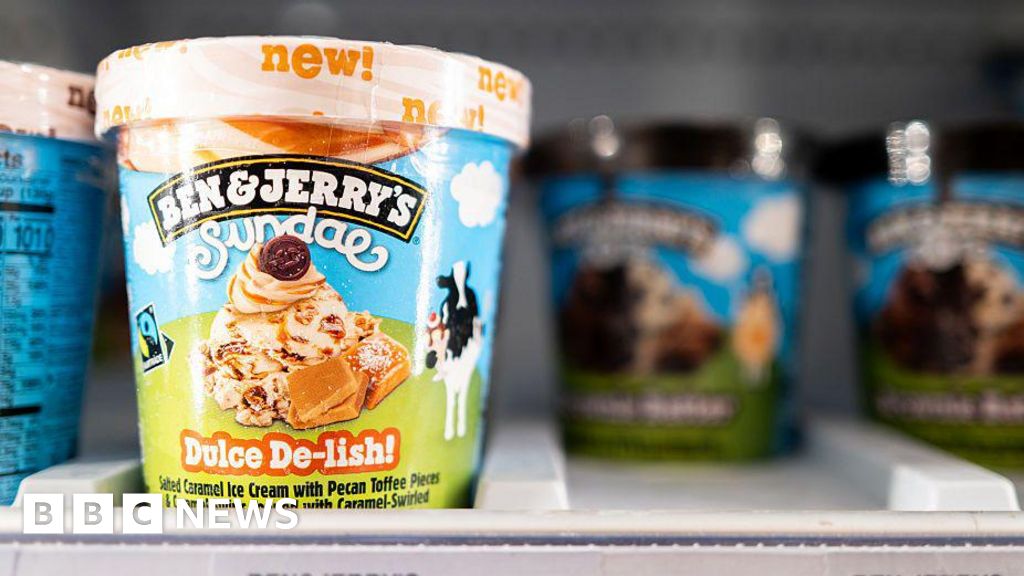
Unraveling the Ben & Jerry’s Boardroom Drama
The recent upheaval at Ben & Jerry’s has cast a shadow on the brand’s storied legacy of activism and independence. Anuradha Mittal, the chair who was ousted from the independent board, has leveled serious accusations against Magnum, the company that now owns the ice cream giant. This unfolding saga is not merely a corporate reshuffle; it touches on the very essence of what Ben & Jerry’s has stood for since its inception.
Threats and Allegations
Mittal claims that her removal was not just a corporate decision but came with threats of a potential “public smear campaign” against her if she did not resign. The implications of such threats are significant, raising questions about corporate governance and ethical practices within the new ownership structure.
- Corporate Smear Tactics: Mittal alleges that her ousting was accompanied by threats of defamatory statements.
- Independence at Stake: The dispute underscores a broader struggle over the board’s autonomy to pursue its social missions.
Changing Dynamics
Magnum’s recent actions, including the introduction of a nine-year term limit for board members and the removal of two additional board members, signal a shift in how the company intends to operate Ben & Jerry’s. This transformation is particularly concerning for those who champion the brand’s commitment to social justice and community engagement.
- New Governance Policies: Magnum has outlined measures aimed at strengthening corporate governance.
- Historical Context: Ben & Jerry’s has long been known for its social missions, a legacy that may be at risk under new management.
Brand Identity and Legacy
Ben & Jerry’s has been synonymous with quirky flavors and a strong stance on social issues. The brand’s independence was a cornerstone of its identity, particularly after its acquisition by Unilever in 2000, which allowed it to maintain an independent board. However, the recent tensions reveal cracks in this arrangement, suggesting that the brand’s social mission could be compromised.
- Historical Commitment: The brand was founded on progressive values, which have been increasingly challenged.
- Recent Controversies: Decisions like refusing to sell ice cream in occupied territories have sparked backlash and internal conflict.
Concluding Thoughts
The conflict between Ben & Jerry’s and Magnum is reflective of broader tensions within corporate America, where social responsibility often clashes with profit motives. As Mittal pointed out, there seems to be an ongoing struggle to balance commercial success with the brand’s historical activism.
As we watch this situation unfold, it is crucial to consider what Ben & Jerry’s represents in the landscape of socially conscious businesses. Will it retain its commitment to social justice, or will it succumb to the pressures of corporate governance? This is a pivotal moment that could redefine the brand for years to come.
For those interested in a deeper understanding of this unfolding narrative, I encourage you to read the original news article at the source: BBC News.