



Challenges Facing the EU Trucking Industry in Achieving Zero Emissions
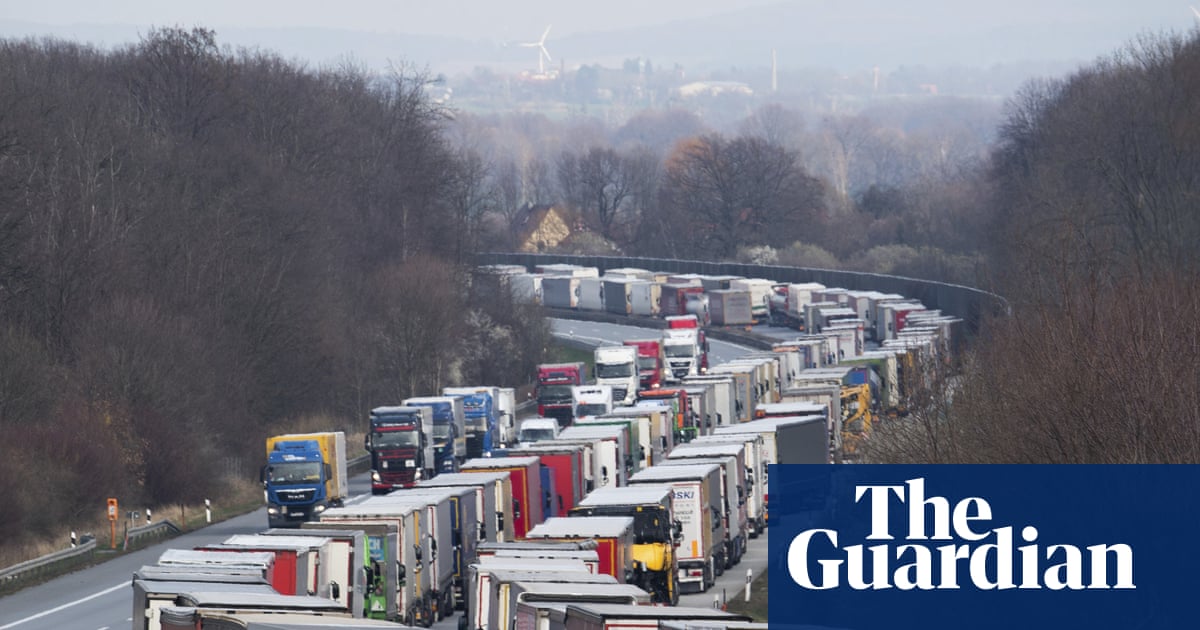
As we look at the current state of the European trucking industry, the outlook for achieving zero emissions targets appears increasingly bleak. A recent warning from industry leaders underscores the gravity of the situation, revealing that only a minuscule fraction of lorries operating in the EU are electric. This alarming statistic poses significant questions about the future of sustainable transportation in the region.
The Dire Situation
Christian Levin, chair of the commercial vehicles board at the European Automobile Manufacturers’ Association (ACEA), has expressed serious concerns. He emphasizes that the situation is dire, pointing to a staggering statistic: out of approximately 6 million trucks delivering goods across the EU, a mere 10,000 are electric, and these are often limited to short routes.
Key Challenges
Several critical issues hinder the transition to electric trucks:
- Lack of Public Charging Infrastructure: Currently, there are only 1,500 public charging points for heavy goods vehicles (HGVs) across Europe, whereas around 35,000 are needed to support the transition.
- High Initial Costs: The price of electric trucks is significantly higher, with a typical 40-tonne two-axle electric truck costing around €300,000—twice that of its diesel counterpart.
- Insufficient Incentives: There are insufficient tax breaks and financial incentives for fleet managers to invest in electric vehicles.
- Operational Flexibility: Concerns regarding operational flexibility and reliability, particularly regarding charging availability during transport assignments, contribute to hesitancy among customers.
The Financial Implications
Levin highlights the substantial financial burden on fleet managers, expressing that the higher operational costs associated with electric vehicles deter potential buyers. Moreover, if the current trajectory of electric truck adoption continues, the industry could face penalties amounting to €2 billion annually due to non-compliance with fleet-wide CO2 targets.
The Way Forward
Industry leaders are calling for an urgent review of current policies. Karin Rådström, chair of Daimler Truck, notes that trucking companies are willing to embrace electric solutions, but the financial viability of such a transition must be improved. She argues for a revised approach that aligns financial incentives with the ambitious emissions targets set by the EU.
Conclusion
The path to achieving zero emissions in the European trucking sector is fraught with challenges. Without significant improvements in infrastructure, financial incentives, and operational flexibility, the ambitious targets set by the EU may remain unattainable. As we move forward, it is crucial for policymakers to take heed of these warnings and enact changes that will facilitate a smoother transition to electric trucking.
For a deeper dive into this issue, please read the original news article here.