



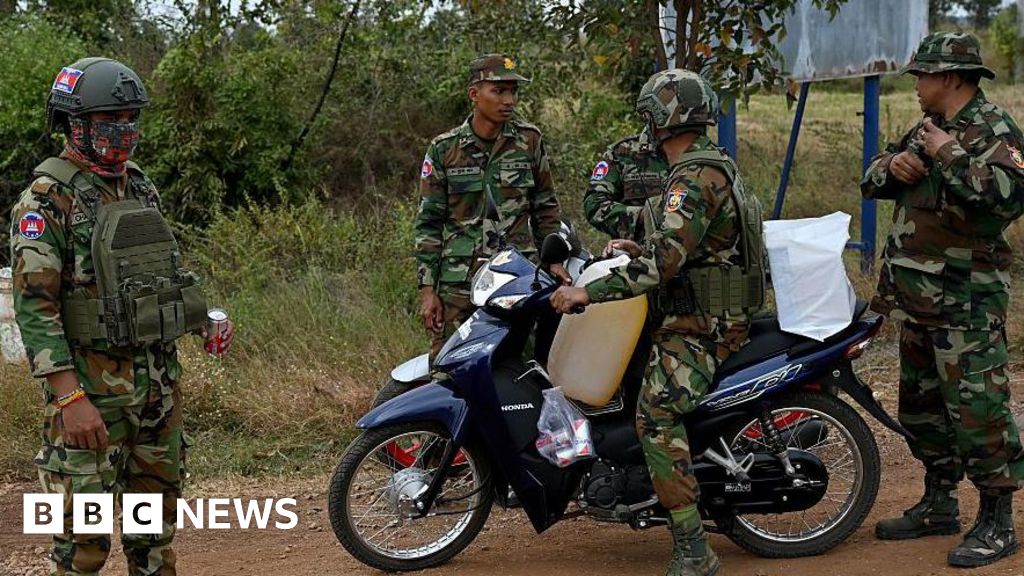
Recent Border Clashes: A Temporary Ceasefire?
In a dramatic turn of events, US President Donald Trump has announced that the prime ministers of Thailand and Cambodia are set to halt hostilities “effective this evening.” This announcement comes in the wake of a series of deadly border clashes that have tragically resulted in at least 20 fatalities and displaced around half a million people from their homes.
Context of the Conflict
The situation escalated significantly on July 24 when Cambodia initiated a barrage of rockets targeting Thailand, prompting a fierce response with airstrikes from the Thai military. This cycle of violence has raised urgent questions about stability in the region and the effectiveness of diplomatic interventions.
- President Trump’s involvement, following his conversations with both leaders, indicates a high-stakes diplomatic effort.
- Thai Prime Minister Anutin Charnvirakul has stated that a ceasefire hinges on Cambodia’s actions, specifically the withdrawal of troops and removal of landmines.
- Despite Trump’s claims of a mutual agreement for peace, the lack of immediate comments from both prime ministers raises concerns about the sincerity and feasibility of this ceasefire.
Implications of the Ceasefire
Trump’s assertion that both nations are eager for peace and continued trade with the United States suggests a potential pivot toward stabilization in Southeast Asia. However, the real question remains: will this ceasefire hold? The ongoing tensions, which have spread across multiple provinces in both countries, suggest that the underlying issues of territorial sovereignty are far from resolved.
- The border dispute has a historical context, dating back over a century to the post-colonial drawing of borders after the French occupation of Cambodia.
- As we look ahead, the role of international diplomacy, particularly from the US and regional powers like Malaysia, will be crucial in mediating a lasting resolution.
- Without genuine commitment from both sides, this ceasefire may merely serve as a temporary pause in hostilities rather than a pathway to peace.
Conclusion
This ceasefire announcement arrives amid a backdrop of deep-seated animosities and geopolitical complexities. While the hope for peace is commendable, the realities of the situation demand cautious optimism. The commitment from both leaders to engage in dialogue and the conditions set forth by Thailand indicate that we are still navigating a challenging road ahead.
For those interested in exploring this story further, I encourage you to read the original news article here.