



Legal Action Against Shell: A Landmark Case for Climate Justice
The recent legal claim filed by victims of Typhoon Rai in the UK against Shell represents a significant turning point in the fight for climate accountability. Survivors, armed with compelling evidence and a desperate need for justice, are asserting that the oil giant’s actions contributed to the storm’s severity. This case is not just about compensation; it is emblematic of a growing movement against corporate negligence in the face of climate change.
The Context of Typhoon Rai
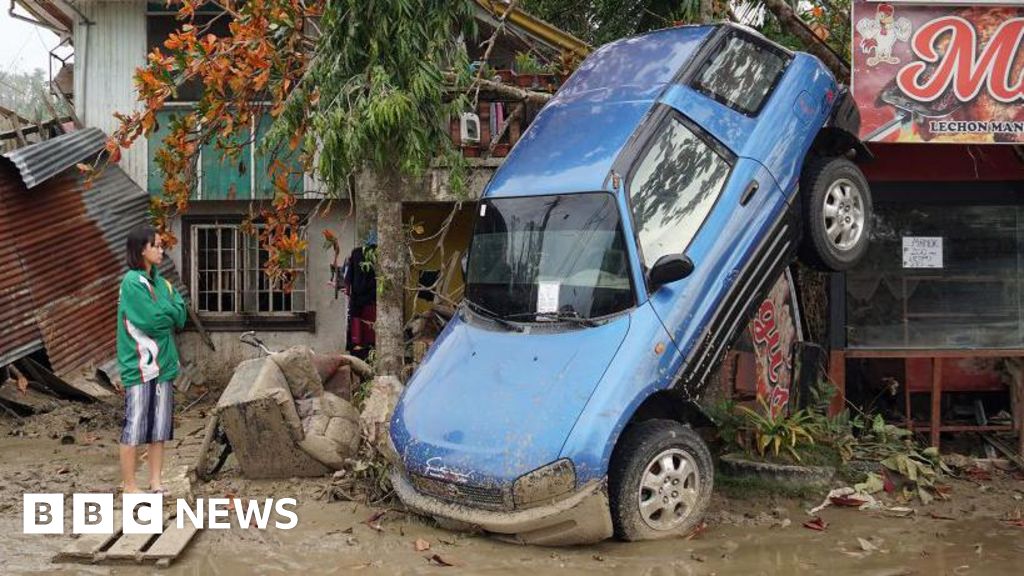
Typhoon Rai, locally known as Odette, wreaked havoc in the Philippines in December 2021, killing around 400 individuals and displacing millions. The storm, with wind gusts reaching 170 mph, serves as a stark reminder of the increasing intensity of weather events that climate change is expected to exacerbate.
The Claim Against Shell
A group of 103 survivors, including Trixy Elle, a fish vendor who narrowly escaped the storm, has taken the courageous step of filing a claim against Shell. Their argument hinges on the assertion that Shell’s historical greenhouse gas emissions—accounting for an estimated 2% of the global total—have materially contributed to human-driven climate change, which in turn increased the likelihood and severity of Typhoon Rai.
In their letter to Shell, they highlight several key points:
- Shell’s role in generating historical greenhouse gases.
- The company’s alleged history of climate misinformation since 1965.
- The emphasis on profit over environmental responsibility.
Shell’s Response
In stark contrast, Shell has dismissed the claims as “baseless,” arguing that they do not uniquely possess knowledge about climate change and that their activities did not specifically cause Typhoon Rai. This response raises important questions about corporate accountability and transparency in the face of global crises.
The Legal Landscape
While this case is being filed in the UK, where Shell is headquartered, it will apply Filipino law, highlighting the complexities of international climate litigation. The court’s ability to establish a direct link between emissions from Shell and the specific damages caused by Typhoon Rai is yet to be determined. However, advancements in climate science are beginning to facilitate such connections, potentially lowering the legal barriers previously faced by climate litigants.
A Test Case for Climate Accountability
This case is undoubtedly a test case that could set a precedent for future litigation against fossil fuel producers. The mixed outcomes in similar cases globally—from the successful ruling in the Netherlands, which ordered Shell to reduce emissions, to setbacks faced in the U.S.—illustrate the challenges ahead.
As the world grapples with the tangible impacts of climate change, the outcomes of such legal actions may redefine the responsibilities of corporations in contributing to environmental degradation. The courage shown by the survivors of Typhoon Rai could pave the way for others to seek justice.
For those interested in exploring this groundbreaking legal case further, I encourage you to read the original news article here.