



Understanding Human Monogamy: Insights from Animal Kingdom
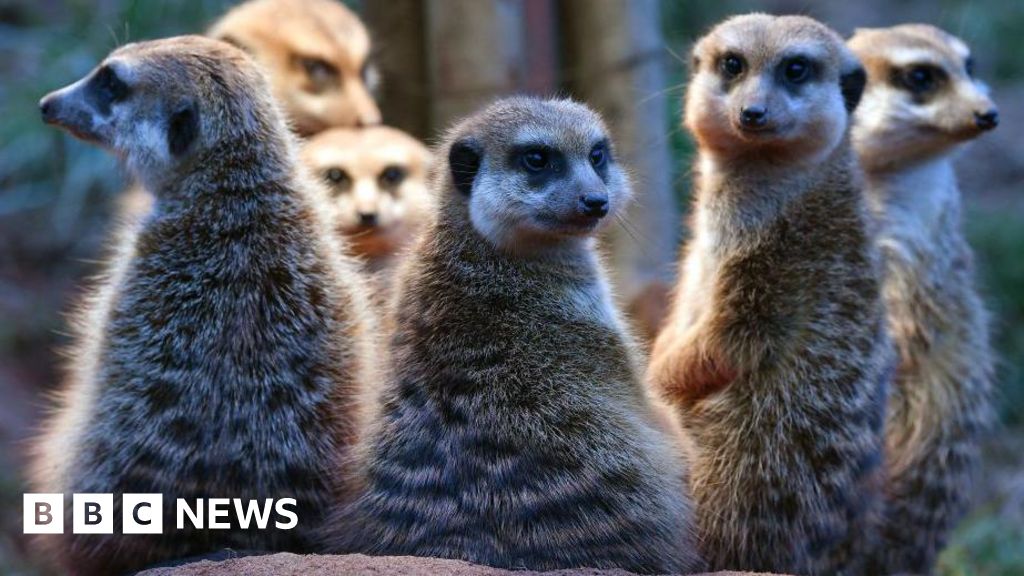
As I delve into the intriguing findings of a recent study on monogamy, I find myself reflecting on the parallels drawn between human relationships and those of other species, particularly the social meerkat. This study reveals that humans, with a monogamy rate of 66%, surprisingly rank alongside meerkats, outpacing our primate relatives like chimpanzees and gorillas.
The League of Monogamy
The research, led by Dr. Mark Dyble from the University of Cambridge, positions us in a “premier league of monogamy.” Here are some key observations:
- Humans score 66% in monogamous relationships.
- Californian mice top the list with a perfect 100%.
- Other notable species include beavers at 73% and meerkats at 60%.
- In stark contrast, mountain gorillas and chimpanzees score significantly lower, at 6% and 4% respectively.
What Drives Monogamy?
The evolutionary advantages of monogamy are evident. Pairing up allows for greater success in raising offspring and fending off rivals. Dr. Dyble’s analysis of historical human populations has revealed:
- Humans exhibit a higher proportion of full siblings compared to other mammals.
- Full siblings, sharing both parents, suggest stronger pair bonds in human societies.
- The study indicates that pairing structures evolve similarly across species, yet manifest uniquely in human contexts.
Distinct Social Structures
Despite this surprising ranking, it’s crucial to recognize that human societal structures significantly differ from those of meerkats and beavers. Dr. Dyble emphasizes:
- Humans exist in multi-male, multi-female groups, unlike the colony-like or solitary structures of other species.
- The concept of monogamous units in humans does not translate directly to the social systems of meerkats or beavers.
Broader Implications
Dr. Kit Opie, from the University of Bristol, points out that this study contributes valuable insights into the evolution of human monogamy. He suggests that while our mating behaviors may differ from those of primates like chimps and bonobos, the underlying structure of monogamy remains a consistent aspect of human relationships.
Conclusion
In conclusion, the findings of this study present a fascinating lens through which we can view human relationships. While we may rank alongside meerkats in terms of monogamy, the complexities of human social structures and relationships set us apart. This exploration into our evolutionary past not only sheds light on our social behavior but also prompts further inquiry into how we navigate love and partnership in a world filled with diverse relationship models.
For those interested in a deeper dive into the original study, I encourage you to read the full article here.